
Let’s be honest for a second. You’ve stood in front of your fridge at 6:47pm, staring at a lonely fillet of salmon, wondering if tonight’s the night you finally order pad thai again. I get it. I’ve been there — apron half-tied, honey jar sticky in one hand, phone in the other, thumb hovering over the delivery app like it’s a nuclear launch button. 10 Simple Honey Glazed Fish Recipe
Here’s the thing though: honey glazed fish might be the easiest “impressive” dinner in your entire culinary arsenal. It’s the little black dress of weeknight cooking — always appropriate, never boring, and somehow makes you look like you tried way harder than you did.
This isn’t going to be some fussy, 47-ingredient fine-dining fever dream. We’re talking simple honey glazed fish recipes that come together in the time it takes to doom-scroll through one Instagram Reel cycle. Sticky, caramelized, a little smoky at the edges, sweet enough to make your taste buds do a double take — and shockingly foolproof.
Grab your honey. Let’s cook.
10 Simple Honey Glazed Fish Recipes
Why Honey Glazed Fish Deserves a Permanent Spot in Your Recipe Rotation
10 Simple Honey Glazed Fish Recipe
Honey isn’t just a sweetener — it’s basically a flavor cheat code. When it hits a hot pan or oven, the sugars caramelize into this glossy, almost lacquered finish that makes even a $6 tilapia fillet look like it belongs on a magazine cover.
And the science backs up the swagger: mild, firm fillets like salmon, cod, tilapia, halibut, sea bass, and trout work best because they hold their shape under heat and let that glaze do all the talking.
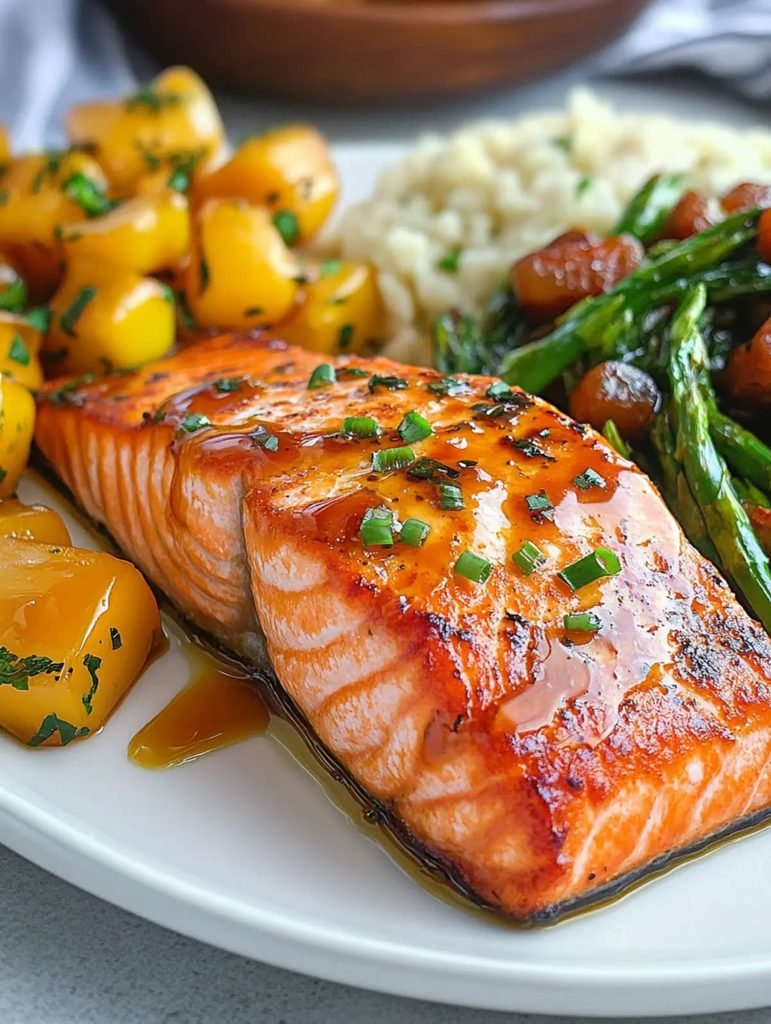
A few reasons this deserves real estate in your weekly meal plan:
- It’s fast. Most of these recipes clock in under 30 minutes, start to finish.
- It’s forgiving. Fish is one of the few proteins where “a little overcooked” still tastes good when it’s coated in a sticky glaze.
- It’s versatile. Swap the honey base — garlic, mustard, ginger, hot honey — and you’ve basically got ten different dinners from one pantry staple.
- It photographs like a professional did it. No shade to your Instagram game, but this glaze does half the work for you.
The Anatomy of a Perfect Honey Glaze (aka Your New Kitchen Formula)
Before we get into specific recipes, let’s talk theory for a second — don’t worry, I promise this is the least boring chemistry lesson you’ll get today.
A good honey glaze is really just four building blocks working in harmony, like a tiny, delicious band:
| Component | Role | Examples |
|---|---|---|
| Sweetness | The backbone | Honey (obviously) |
| Acid | Cuts the sweetness, adds brightness | Lemon juice, rice vinegar, orange juice |
| Salt/Umami | Balances and deepens flavor | Soy sauce, salt, tamari |
| Aromatics | Adds complexity and personality | Garlic, ginger, mustard |
Mix those four together, and you’ve essentially unlocked the master key to every honey glazed fish recipe on this list. Once you get the ratio down (roughly 2 parts honey to 1 part acid to 1 part salty element), you can freestyle forever.
Pro tip: apply the glaze in the last few minutes of cooking. Honey caramelizes fast — like, “turn your back for one text message and it’s burnt” fast — so timing is everything here.
1. Classic Honey Garlic Glazed Salmon
This is the gateway recipe. The one that gets people hooked. Sweet, garlicky, a little sticky in the best way.
What you’ll need: salmon fillets, honey, minced garlic, soy sauce, a splash of lemon juice.
Whisk your glaze, sear the salmon skin-side down in a hot skillet for about 4 minutes, flip, then brush on the glaze during the final 2–3 minutes so it caramelizes without turning into candy-flavored charcoal.
[Insert image of honey garlic glaze being brushed onto salmon in a skillet]
2. Baked Honey Mustard Glazed Cod
Cod is like the quiet friend who ends up being the most interesting person at the party once you actually talk to them. Mild, flaky, and an incredible canvas for a tangy honey mustard combo.
Whisk Dijon mustard with honey, a touch of lemon, and brush it over cod fillets. Bake at 400–425°F for 10–15 minutes until it flakes easily and hits an internal temp of about 145°F.
3. Pan-Seared Honey Ginger Glazed Sea Bass
Ginger brings the warmth, honey brings the sweetness, and sea bass brings that buttery texture that makes people ask, “wait, you made this?”
4. Air Fryer Honey Glazed Tilapia
If your air fryer has been collecting dust since that one week you tried to air-fry everything in your pantry — this recipe is its redemption arc.
Air fry tilapia at 375–400°F for 8–12 minutes depending on thickness, brushing the honey glaze on during the last 2–3 minutes so the sugars don’t scorch. Quick, mess-free, and dangerously addictive.
[Insert image of tilapia fillets in an air fryer basket, glaze glistening]
5. Honey Soy Glazed Halibut
Halibut is the overachiever of the fish world — firm, meaty, holds up to bold flavors without falling apart. The honey-soy combo here leans savory-sweet, almost teriyaki-adjacent, without needing a grocery list a mile long.
6. Hot Honey Glazed Salmon (For the Spice-Curious)
Sweet heat is having a moment right now, and hot honey is basically the reason why. Drizzle hot honey (think Mike’s Hot Honey or similar) over pan-seared salmon with a squeeze of lime, and suddenly your Tuesday dinner has main character energy.
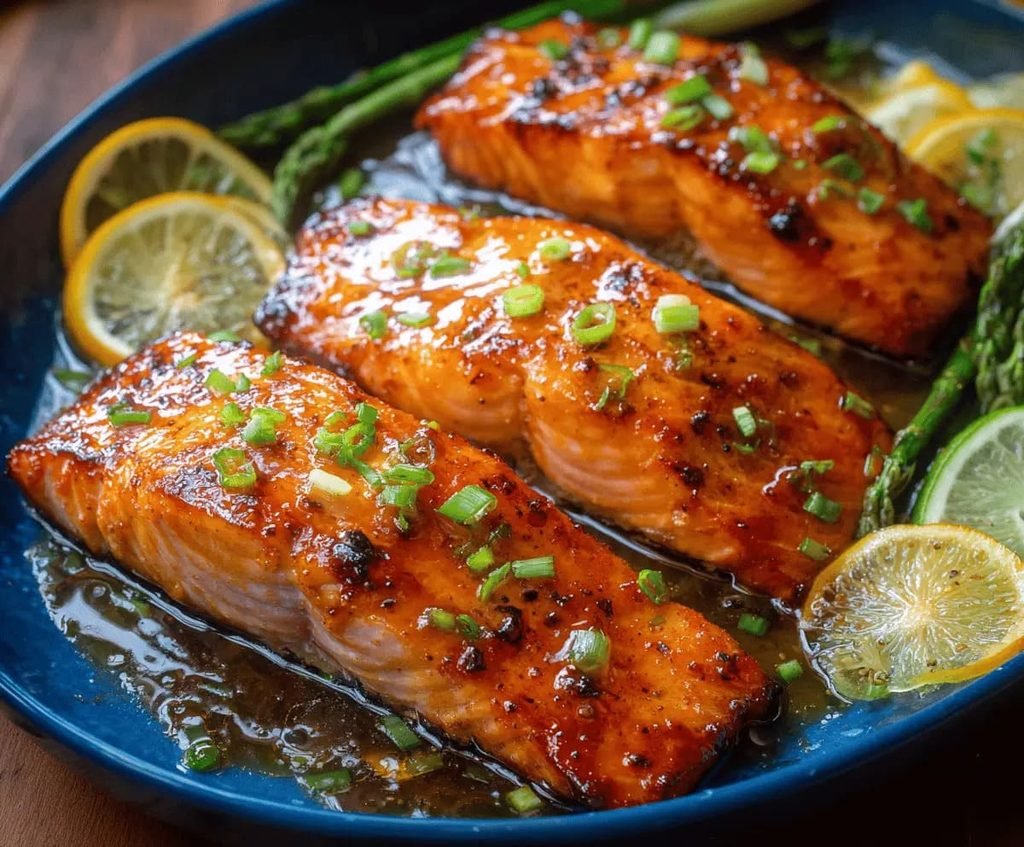
7. Honey Lemon Glazed White Fish
Bright, citrusy, and light enough to eat in the summer without feeling like you need a nap afterward. Works beautifully with cod, halibut, or any mild white fish you’ve got on hand.
8. Sheet Pan Honey Glazed Fish with Vegetables
One pan. One glaze. Zero extra dishes. Toss broccoli, asparagus, or green beans alongside your fillets, brush everything with the honey glaze, and roast together. This is weeknight cooking on easy mode.
[Insert image of a sheet pan with honey glazed fish and roasted vegetables]
9. Honey Glazed Fish Bowls
Turn any of the recipes above into a full meal by building a bowl: steamed rice or quinoa as the base, glazed fish on top, a handful of sautéed greens, sesame seeds, and maybe a drizzle of extra glaze because more is more.
10. Low-Sugar Honey Glazed Fish (Keto-Friendly Version)
Watching your sugar intake doesn’t mean skipping the glaze life entirely. Use a smaller amount of honey and lean harder into lemon, herbs, and spices — or sub in a sugar-free sweetener like erythritol or allulose to mimic that glossy body without the sugar spike.
Frequently Asked Questions
What kind of fish is best for a honey glaze?
Mild, firm fillets — salmon, cod, tilapia, halibut, sea bass, and trout — are your best bet since they hold together well and let the glaze shine without falling apart.
How long do I cook honey glazed fish?
Most fillets need 10–15 minutes in a 400–425°F oven, or 8–12 minutes total in a skillet, until they hit an internal temperature around 145°F and flake easily with a fork.
Will the honey glaze burn?
It can, fast. Honey caramelizes quickly, so brush it on during the final few minutes of cooking and keep your heat moderate — somewhere in the 325–400°F range — for that glossy, not-burnt finish.
Can I make honey glazed fish in an air fryer?
Absolutely. Air fry at 375–400°F for 8–12 minutes, adding the glaze in the last 2–3 minutes so the sugars don’t scorch.
Do I need to marinate the fish first?
Not really necessary. A short 15–30 minute marinate is plenty — fish is delicate, and longer acidic marinades can start “cooking” the flesh texturally before it even hits the heat.
What sides pair well with honey glazed fish?
Steamed rice, quinoa, roasted potatoes, sautéed green beans, asparagus, or a simple crunchy slaw all balance out the sweetness nicely.
Can I meal-prep this?
You can prep the glaze in advance, but for the best texture, cook the fish fresh and add the glaze right before serving. Leftovers keep about 2–3 days in the fridge.
How do I make it lower in sugar?
Cut back on the honey and boost the flavor with extra citrus, herbs, and spices — or substitute a sugar-free sweetener like allulose or erythritol.
Shopping List: What You’ll Actually Need
| Category | Recommended Picks |
|---|---|
| Honey | Clover, wildflower, or orange blossom (mild and versatile) |
| Spicy Option | Hot honey, like Mike’s Hot Honey |
| Acid | Fresh lemon juice, rice vinegar |
| Salty/Umami | Soy sauce or tamari |
| Aromatics | Fresh garlic, fresh ginger, Dijon or whole grain mustard |
| Fish | Salmon, cod, tilapia, or halibut fillets |
| Tools | Non-stick skillet, rimmed sheet pan, instant-read thermometer |
An instant-read thermometer, honestly, is the unsung hero here. It takes all the guesswork out of “is this actually done?” and guarantees that glossy caramelized finish without overcooking the fish underneath.
The Bottom Line
Honey glazed fish is proof that “simple” and “impressive” aren’t mutually exclusive. With four basic ingredients and a hot pan, you can go from “what’s for dinner” panic to a meal that looks — and tastes — like it took way more effort than it actually did.
So next time that delivery app is calling your name, take a beat. Grab the honey jar instead. Your future self, eating a glossy, caramelized fillet in under 30 minutes, will thank you.
Got a favorite honey glaze combo? Try one of these recipes tonight and let me know which one becomes your new weeknight go-to.
Want this as a downloadable Word doc or formatted HTML file for publishing?