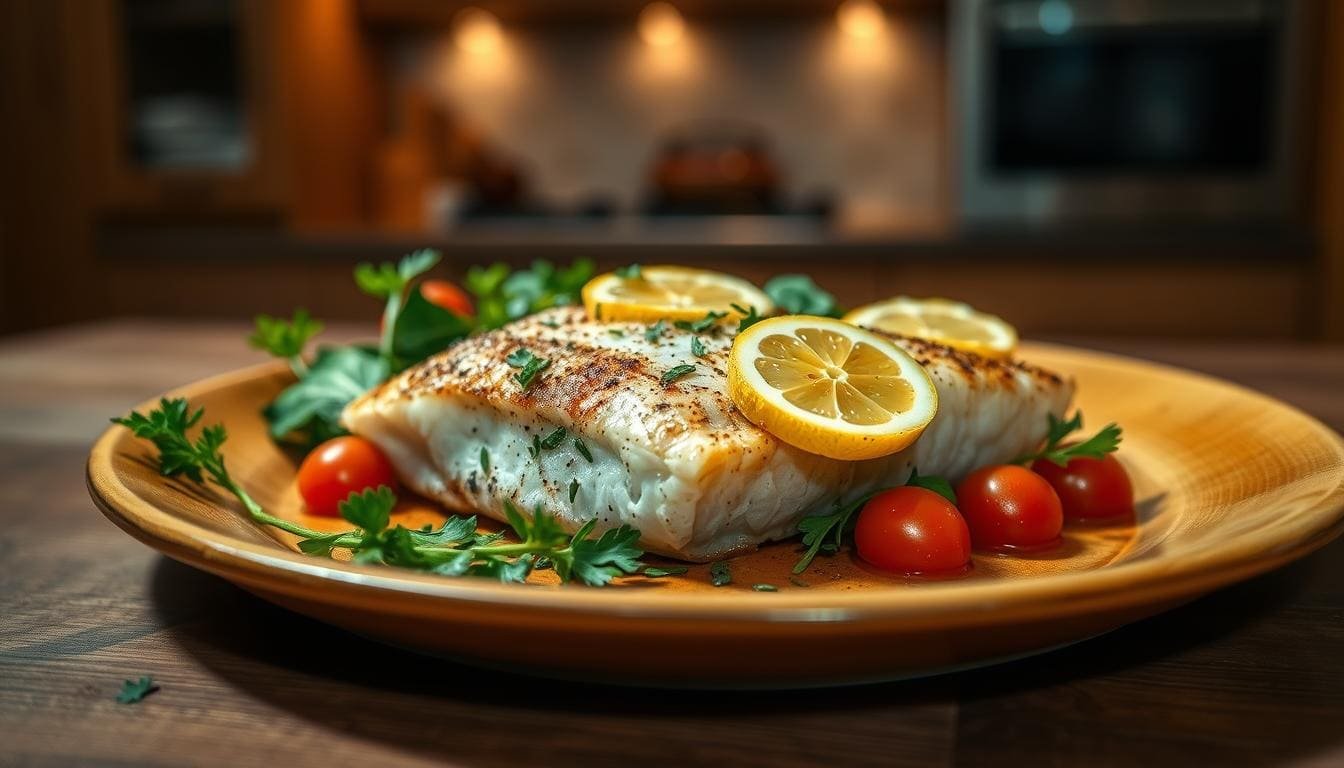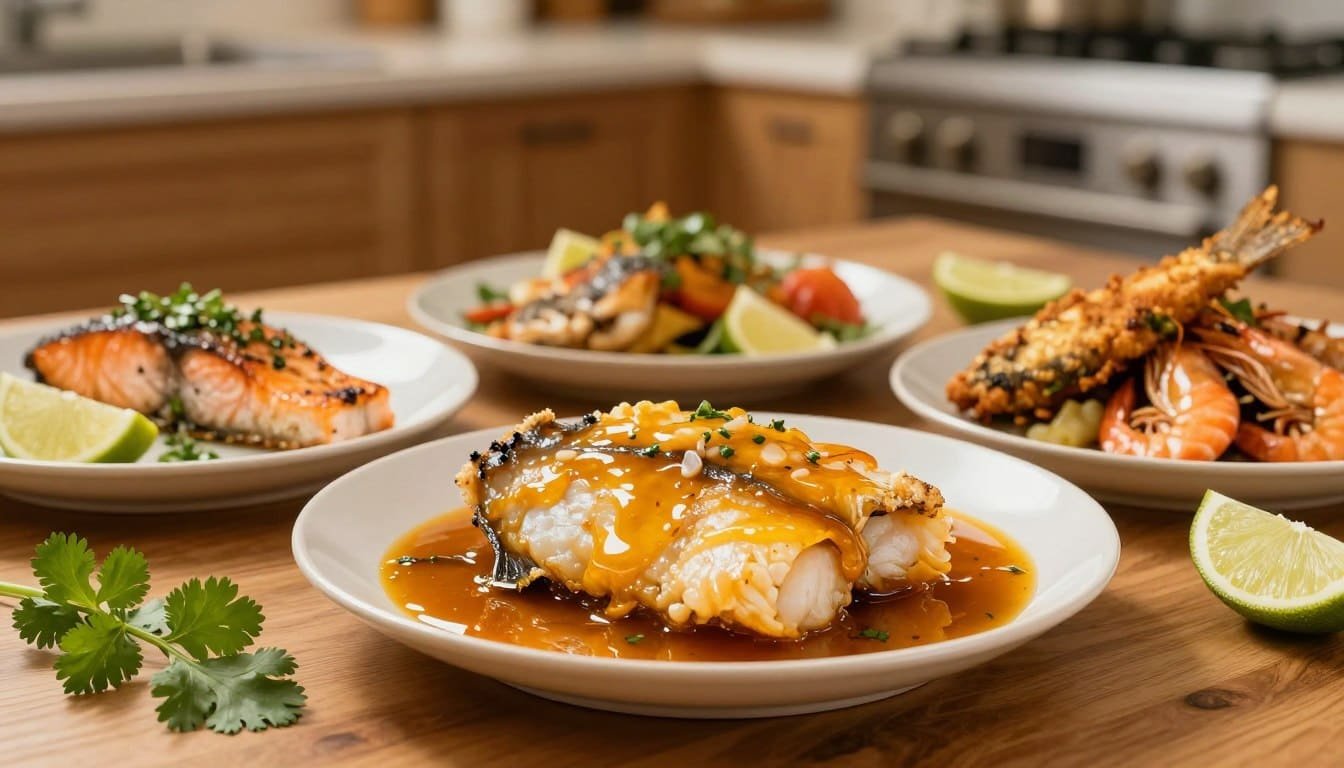
A weeknight fish dinner can be simple enough to fit between getting home and setting the table. Could a few minutes of prep turn what you have into a meal everyone looks forward to? These recipes fish lovers can make at home offer 20 approachable ideas for busy evenings, with options for quick white-fish dinners, salmon, freezer-friendly meals, and other easy favorites. Broiling means cooking food close to the oven’s upper heating element. You can pair the recipes with familiar sides, such as vegetables or grains, and keep
Key Takeaways
- Choose a fish and cooking method that fit your available time.
- White fish works well with bright, savory seasonings.
- Salmon can anchor rice, pasta, or salad dinners.
- Some frozen fish can cook without thawing first.
- Match the side dish to the flavor you want tonight.
- foodarecipes
- 20 Recipes Fish Lovers
Choose a recipe around the fish you already have, then keep the rest of dinner uncomplicated.
Recipes Fish Lovers Can Make With White Fish
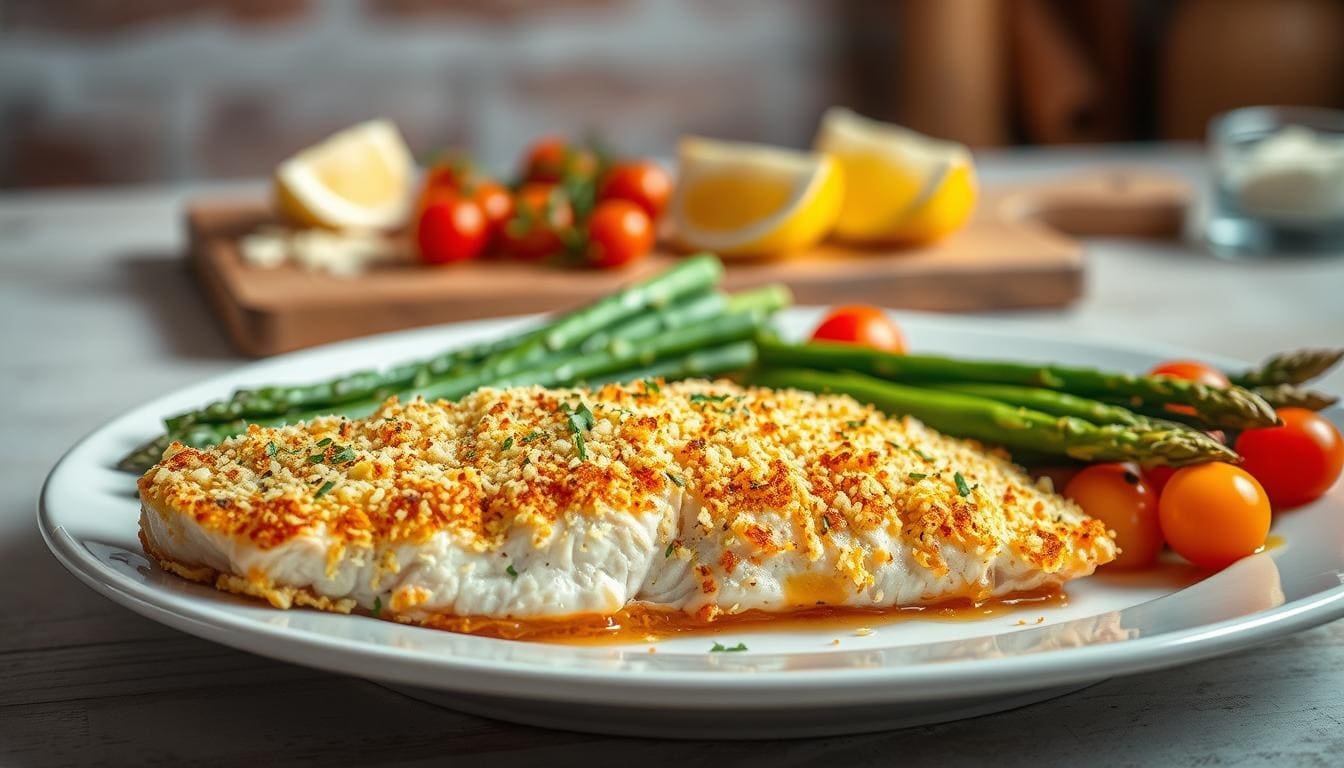
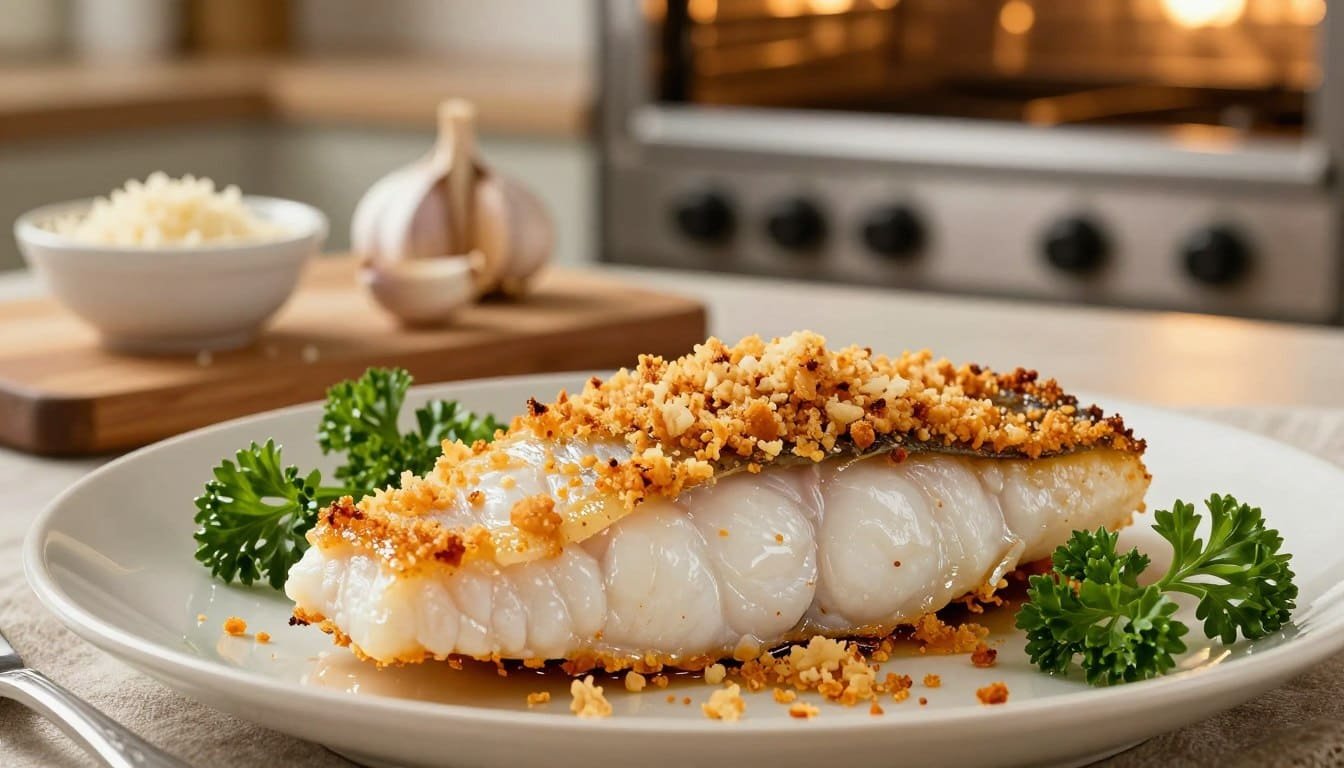
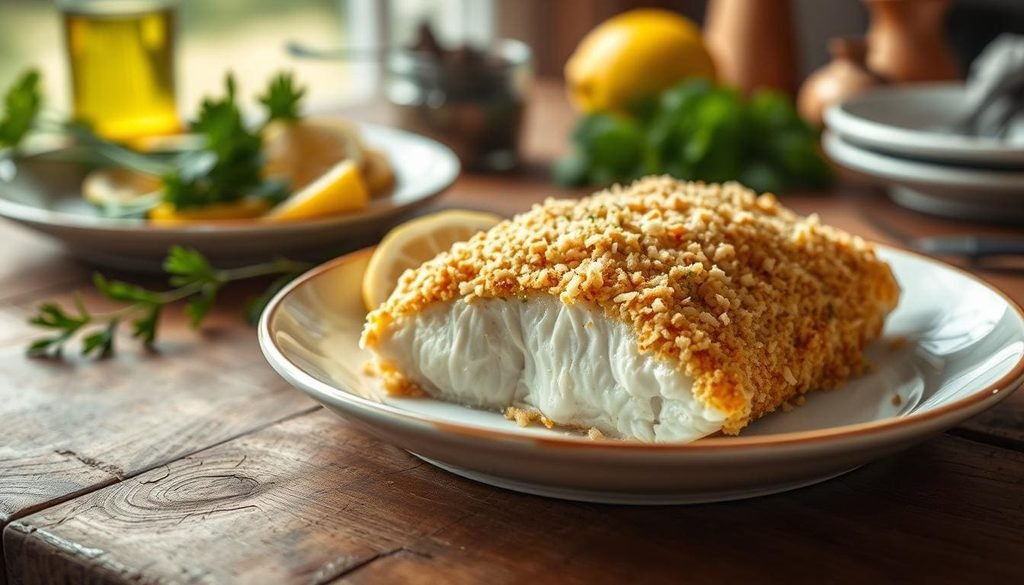
For a crisp white-fish dinner with little cleanup, press a garlicky Parmesan crumb onto a mustard-coated fillet instead of dredging it in egg. The shortcut keeps the coating simple, and Parmesan Crumbed Fish takes 5 minutes to prep and 7 minutes to cook, for 12 minutes total.
The recipe serves 2 and uses two firm white fish fillets, about 5 oz each. Dijon mustard helps the crumb cling to the fish; mayo works as a substitute when that is what you have. The topping combines panko, Parmesan, garlic, and oil, with parsley as an optional fresh note.Pressing the crumb onto the mustard-coated surface skips an egg-dredging step and leaves fewer dishes to wash. Panko stays distinct in the topping, while Parmesan adds a salty, savory edge. A squeeze of lemon at the table brightens the rich crumb without needing a separate sauce.
A fillet thicker than 2 cm belongs in the oven, not under the broiler; a 2 cm fillet takes about 5-6 minutes under the broiler.
What makes a crisp crumb coating work
A thin, even layer helps the panko brown rather than steam beneath a heavy topping. Pat the fillet dry before adding mustard, then press the crumbs gently so they cover the surface. The oven option takes 10-12 minutes and suits fish that needs more time away from direct upper heat.
That method makes a useful weeknight option when you want a golden top without turning dinner into a coating project. Cod and halibut both suit a Parmesan crust, while snapper can take the same bright lemon finish. Keep the topping ready in a small bowl, then apply it just before cooking.
When the skillet and broiler are a good fit
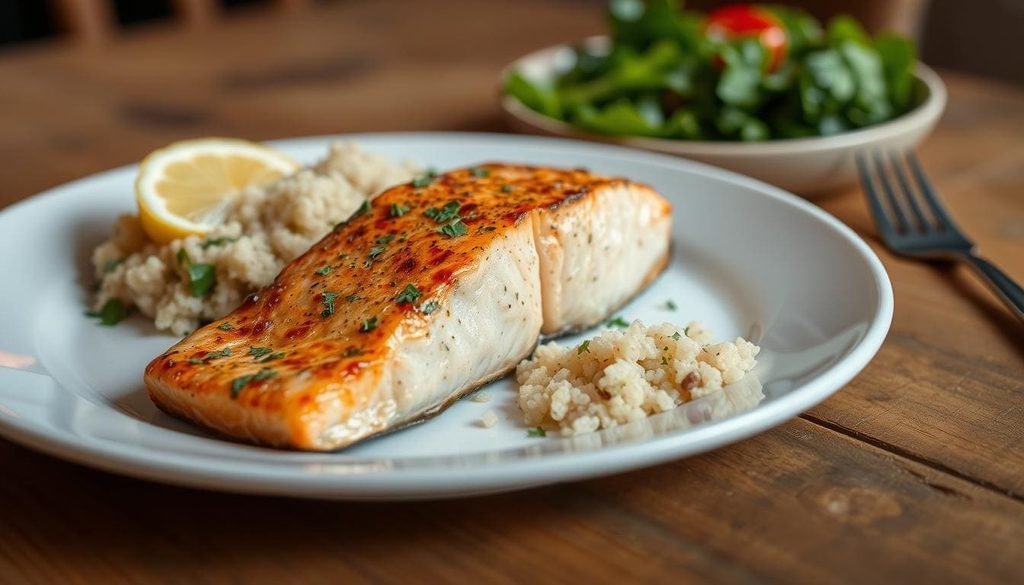
For the broiler method, place the fillet in a hot, oven-safe skillet. The hot pan cooks the underside while the oven’s upper heat browns the crumb. That pairing gives you a crisp top and a cooked base in one pan, with less handling than flipping a coated fillet.
- Parmesan-crusted white fish with lemon tastes savory and bright.
- Lemon-garlic cod with greens brings a fresh, sharp finish.
- Fish tacos with cabbage and salsa balance crunch and tang.
- Pan-seared halibut pairs well with a simple sauce.
- Baked snapper with garlic works neatly with rice.
- foodarecipes
- 20 Recipes Fish Lovers Will Love
These fish recipes give you different ways to work cod, halibut, and snapper into dinner. Add greens when you want a lighter plate, or use rice to catch a little sauce. For the broiler method, start with the skillet hot so the underside cooks as the crumb browns above.
Which Salmon Dinners Fit a Weeknight?
Salmon gives weeknight cooks several easy directions, from honey-garlic baking to a creamy pasta dinner. Choose by flavor and serving partner, then pick the cooking method that fits your evening. The table makes it easy to compare a sauce, method, and side at a glance.
An entrée portion is 6 oz-8 oz of uncooked fish fillet per person, while an appetizer portion is 3 oz-4 oz per person before cooking. Use the smaller range when salmon is one part of a spread, rather than the main dish. That simple difference helps you plan how much to buy before you start cooking.
| Recipe | Cooking method | Flavor or sauce | Serving partner |
| Honey-garlic baked salmon | Oven | Honey and garlic | Rice |
| Teriyaki salmon | Broiled | Teriyaki sauce | Rice |
| Salmon rice bowls | Baked | Sesame and soy | Cucumber salad |
| Salmon salad | Pan-seared | Lemon dressing | Leafy greens |
| Creamy salmon pasta | Skillet | Garlic cream sauce | Pasta |
The five combinations cover sweet, savory, tangy, and creamy flavors without asking you to choose a complicated preparation. Honey and garlic make a familiar baked option, while teriyaki brings a stronger sauce profile. Sesame and soy suit a bowl-style dinner, especially beside crisp cucumber salad.
For a lighter plate, the pan-seared salmon salad uses lemon dressing and leafy greens. If you want a filling meal, creamy salmon pasta pairs the fish with a garlic cream sauce. The list also helps you choose a side first: rice gives you two options, while pasta or greens point toward a different dinner mood.
Keep the meal practical by choosing a sauce you already enjoy and a partner that needs little extra work. A rice side can be cooked while the oven handles the salmon, while leafy greens are quick to serve. Each pairing offers a clear direction, so you can make a decision without planning an elaborate menu.
Raw portion size is easier to judge before cooking, when the fillets have not yet changed in shape or weight. For a gathering with several dishes, use the appetizer range; for a full plate centered on salmon, plan the entrée range. For a main course, allow 6 oz-8 oz of uncooked fillet per person.
Can You Cook Fish Straight From Frozen?
Yes, frozen fish can go straight into the oven, a braise, or a poaching liquid, so you can still make dinner without waiting for it to thaw. Choose the right method: baking, braising, and poaching work from frozen, but searing calls for thawed fish.
Do not plan a frozen fillet for a seared recipe unless you thaw it first. Direct heat methods need the fish ready to meet the pan, while a liquid or oven method can cook it from frozen. Use a recipe designed for the method, rather than changing a seared dish at the last minute. 20 Recipes Fish Lovers Will Love
Bake, braise, or poach without thawing
These five meal ideas use methods that can start with frozen fish. Choose a baked dish when you want the oven to handle most of the work, or use a pot when broth and sauce are part of dinner.
- Baked cod with tomatoes brings a bright, savory sauce.
- Braised cod curry turns the fish into a warmly spiced meal.
- Poached salmon with dill keeps the flavor fresh and simple.
- Broth-poached white fish with rice makes a bowl-friendly dinner.
- Baked halibut with lemon and garlic has a familiar, clean flavor.
Broth can do double duty as both cooking liquid and part of the finished dish. Add rice on the side or serve it beneath the fish, so the grains take on some of the garlic and cooking liquid. Tomatoes and curry offer stronger flavors when you want something beyond a plain baked fillet.
Poaching also gives you a gentle way to cook fish in liquid, with dill or garlic to shape the flavor. Keep the fish covered by the cooking liquid where the recipe calls for it, and follow the cooking steps for your chosen dish. This approach works especially well when the fish is already frozen at dinner time.
Thaw safely when the recipe needs a sear
Thaw fish in the refrigerator or in cold water, not on the counter. Room-temperature thawing can leave perishable food out too long, and food left at room temperature for more than 2 hours can develop unsafe bacterial growth.
For cold-water thawing, leave vacuum-sealed fish in its packaging. If the fish is not vacuum-sealed, place it in a plastic bag before it goes into the bowl. The bag keeps the fish protected as the water around it stays cold.
Refrigerator thawing suits cooks who can plan ahead, while the cold-water method works when dinner is closer. Keep the fish contained during either process, and move it into the pan once it has thawed. If you use a bowl of cold water, refresh it about every 20 minutes and keep the fish sealed or bagged.
What Are Easy Fish Dinners With Rice, Pasta, or Salad?
If your side dish is already decided, matching fish to it makes the dinner choice easy: tuna suits rice or pasta, while fish broth naturally goes with rice. Start with the side and choose a meal that fits its texture and the time you have.
Canned tuna is already cooked and works in pasta or cakes, while fresh tuna needs its own cooking method. Keep those options distinct instead of treating them as interchangeable. Fresh tuna suits a rice bowl, while canned tuna folds easily into a pasta sauce or cake mixture.
These five seafood ideas make it easy to pick a dinner by the side you want to serve. Some use tuna, and others call for a mild fish or a bowl of broth. The mix gives you different textures, from tender flakes to crisp cakes, without requiring a complicated menu.
- Tuna rice bowls with cucumber pair fresh tuna with a cool, crisp bite.
- Tuna pasta with garlic uses canned tuna and a light sauce.
- Tuna cakes with salad turn canned tuna into a crisp-edged main.
- Fish broth with rice makes a warm, spoonable meal.
- Baked fish with a green salad keeps the plate simple and fresh.
Fresh tuna works in a rice bowl because you can cook it using a method suited to the fish. Canned tuna needs no additional cooking to make it safe to eat, so stir it into pasta or use it in cakes. Garlic and a light sauce bring flavor without making the pasta feel heavy.
For a warm bowl, fish broth and rice give you a simple base that takes well to a little garlic. Baked fish beside a green salad is another easy way to balance a warm main with crisp leaves. Choose the meal that uses the side already in your kitchen, then season the fish to fit.
Cook fish to an internal temperature of 145°F, and check the thickest part with a food thermometer rather than relying only on appearance.
Conclusion
A good weeknight choice is the one that fits the fish and sides you already have. Let the time available guide the cooking method, then pick a flavor direction that sounds good to you. A familiar sauce or a simple side can make dinner feel planned without adding extra work.
Check your fridge and pantry before deciding what to make. If the fish, seasoning, and side are within reach, you already have a workable meal plan. Pick one flavor combination, check that you have its key ingredients, and add the fish to tonight’s dinner plan.
FAQ
Can you cook frozen fish in an air fryer?
Yes, you can cook frozen fish in an air fryer if the fillet fits and the appliance instructions allow it. Arrange the fish so air can move around it, and use the cooking guidance for your model. Check the thickest part with a food thermometer, since the center matters more than a browned surface. Cooked fish should reach 145°F internally.
Can I thaw fish in hot water?
No, choose refrigerator thawing or cold-water thawing instead, and do not thaw fish on the counter. Hot water can warm the outside while the center remains frozen, making even thawing harder. For cold-water thawing, keep the fish in suitable packaging or a plastic bag, and refresh the water about every 20 minutes.
How can I tell if a pan-seared fillet is ready to flip?
A pan-seared fillet is ready to flip when it releases from the pan with gentle pressure. If it sticks, give it more time rather than pulling it loose and tearing the surface. A thin, flexible spatula can help you lift the edge gently. Once the fish releases, turn it carefully to keep the cooked surface intact.
What is a mild fish to use in a simple weeknight recipe?
Cod and halibut are familiar mild-flavored white-fish options for a simple weeknight meal. Both pair easily with lemon, garlic, or a light sauce, so you can choose based on what is in your kitchen. Their gentle flavor also works with familiar sides, making either a practical starting point for a straightforward dinner.
Can I use canned tuna instead of fresh tuna in a rice bowl?
Yes, canned tuna can go in a rice bowl, but it is already cooked and works best folded into the bowl. Fresh tuna needs its own cooking method before serving. They are not interchangeable in how you prepare them: canned tuna can be added as is, while fresh tuna should be cooked to the desired doneness.