A fish dinner can be simple enough for a busy weeknight when the recipe keeps the prep and cleanup manageable. What if dinner could be ready in minutes without leaving a sink full of pans? These recipes offer practical choices, from one-pan meals to quick cooking, salmon, cod, and other seafood. Recipe titles signal the flavors and pairings to expect, so you can choose a direction before you shop. The broiler is the oven’s overhead heating element that cooks food with intense direct heat. Choose based on your available time, favorite flavors, and appetite for cleanup.
Key Takeaways
One-pan meals help limit cleanup.
Thin fillets cook quickly under a broiler.
Salmon offers several distinct flavor directions.
Cod, halibut, and shellfish bring variety.
Choose a recipe that fits your schedule.
foodarecipes
Choose a one-pan option when minimizing dishes matters most.
20 Recipes Fish Lovers
Which Recipes Fish Lovers Can Make in One Pan?
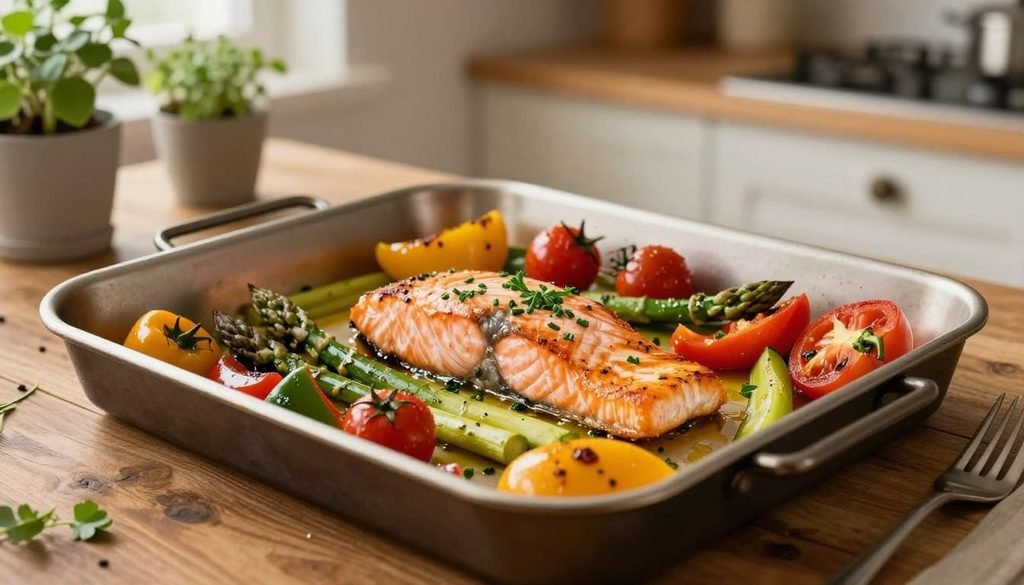
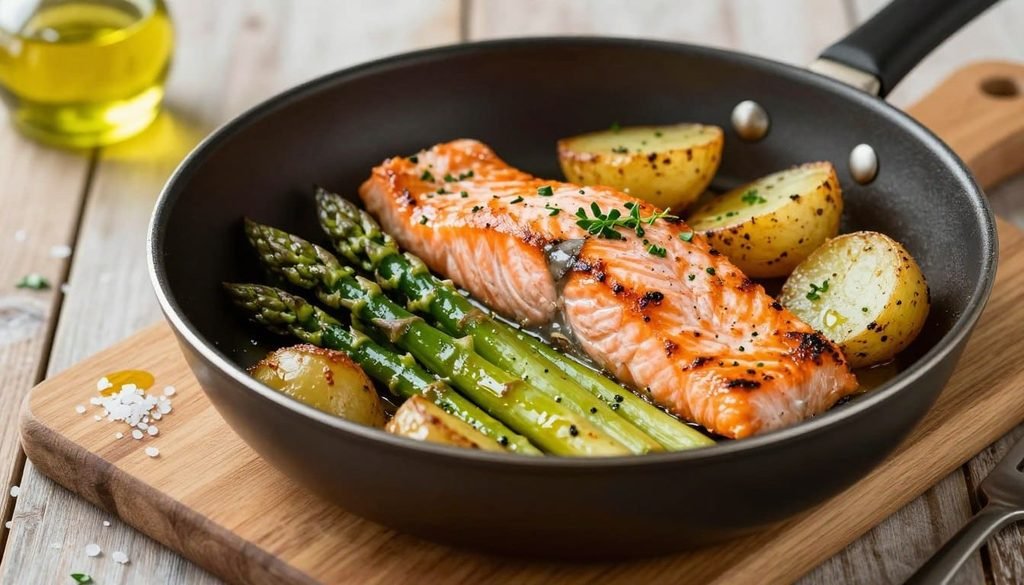
For a dinner that keeps cleanup simple, start with a sheet pan and build the meal around fish, vegetables, or couscous. Five one-pan recipes combine those elements in different ways, giving you a complete dinner with less washing afterward. Timing matters most when fish and vegetables share a pan.
Cut dense vegetables smaller than quick-cooking ones, and add thinner fillets later if needed. Potatoes and sweet potatoes take longer to soften than asparagus or zucchini. If the vegetables need more time, let them roast first, then add the fish for its shorter cook. That approach helps prevent delicate fillets from drying out while firm vegetables finish.
Cut dense vegetables smaller than quick-cooking ones, and add thinner fillets later if needed.
Balance vegetables and fish on the same pan
foodarecipes
Choose pieces of similar size within each vegetable so they soften at roughly the same pace. Spread everything in one layer rather than stacking ingredients, which can trap moisture. Keep a little open space around the fish, too. That gives heat room to circulate and makes it easier to check the fillet without disturbing the vegetables.
One Pan Baked Salmon, Asparagus & Sweet Potato: Pair salmon with sweet potato and asparagus for a mix of tender and crisp vegetables.
One Pan Baked Cod, Asparagus & Potatoes: Combine mild cod with potatoes and asparagus for a familiar savory dinner.
One Pan Lemon Herb Salmon & Zucchini: Lemon and herbs bring a bright flavor to salmon and zucchini.
One Pan Garlic Roasted Salmon & Brussels Sprouts: Garlic and roasted Brussels sprouts give salmon a savory, earthy pairing.
One Pan Salmon, Squash & Couscous: Add couscous and squash for a grain-based meal alongside the fish.
Season for a complete meal
Seasonings help a pan dinner feel considered without requiring another sauce or side. Lemon and herbs suit salmon and zucchini, while garlic fits salmon with Brussels sprouts. For cod, potatoes and asparagus make a mild base that leaves room for simple seasoning. These fish recipes show how a few pairings can shape the whole meal.
Among fish seafood combinations, couscous offers a different texture from roasted vegetables and can make the salmon pan feel more filling. Keep the seasoning consistent across the ingredients, then taste the vegetables before serving. If you add a grain, follow its package directions and keep it separate until serving unless the recipe specifies otherwise.
Cut dense vegetables smaller than quick-cooking ones so they have time to soften before the fish is done.
What Are the Quickest Fish Dinners for Busy Nights?
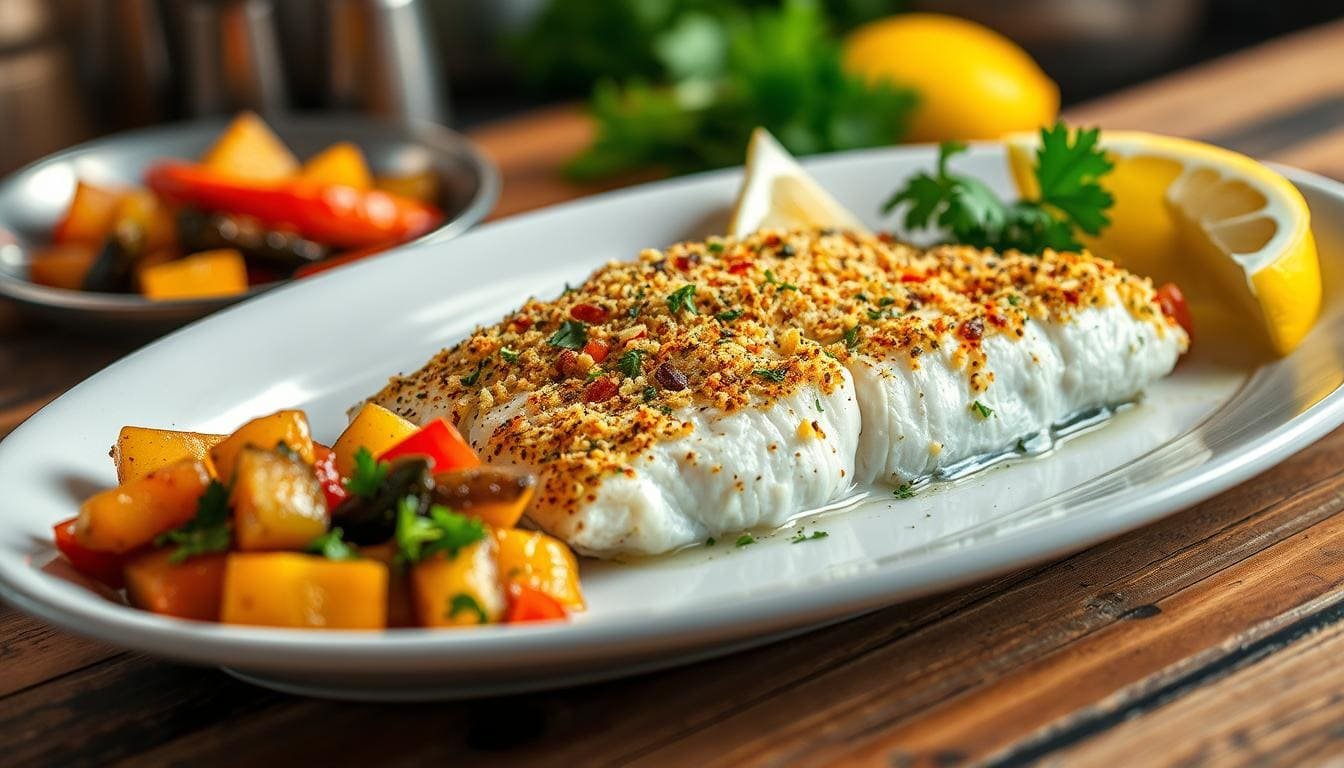
A 2-cm Parmesan-crumbed fillet can be ready from the broiler in 5-6 minutes. For two servings, use two 5-oz/150-g firm white fish fillets. The mustard coating holds panko, Parmesan, and garlic crumbs on the fish, so there is no egg dredge. Prep takes 5 minutes, and the broiler cook takes 7 minutes for a 12-minute total.
Use the broiler for a 2-cm fillet when you want a golden crumb in 5-6 minutes. If you prefer the oven, cook the fish for 10-12 minutes at 220C/390F, then finish it under the broiler to brown the topping. Pan-fried fish takes 7 minutes and works as a quick alternative when a crisp crumb is not the priority.
Method
Time
Condition or finish
Broiler
5-6 minutes
2-cm fillets, golden crumb
Oven
10-12 minutes at 220C/390F
Finish under broiler to brown crumb
Pan-fried fish
7 minutes
Quick alternative without crisp crumb priority
Make Parmesan crumbed fish with a broiler
Spread mustard over the firm white fish fillets, then press the panko, Parmesan, and garlic crumbs on top. Set the fish on a broiler-safe tray with space between the pieces. Watch the crumb as it cooks, since direct overhead heat can brown it quickly. Thicker fillets need more time than 2-cm pieces, so check their centers before serving.
Quick Weeknight Fish Stew with Olives: A stew offers a saucy option with olives for a savory flavor.
Fish Cakes with Beans and Greens: Fish cakes bring fish together with beans and greens in one meal.
Sheet-Pan Trout With Garlicky Broccolini: Trout and garlicky broccolini cook together on a sheet pan.
A Really Nice Fish with Cucumber and Crunchy Garlic Salad: Cucumber and crunchy garlic salad add a crisp contrast to the fish.
Parmesan Crumbed Fish: Mustard-coated fillets take a Parmesan, panko, and garlic topping.
Round out a fast dinner with simple sides
Choose sides that need little prep while the fish cooks. Toast is ready quickly, and greens can be dressed in a bowl with oil and lemon. A simple side lets a fast fish recipe stay fast instead of turning into a second cooking project. For a warm option, serve the fish with a prepared grain or vegetables already on hand.
Use the method that suits the fillet thickness and the finish you want. The broiler gives the crumb a direct golden heat, while the oven gives the fish a longer, gentler cook before browning. Pan-fried fish is a practical choice when speed matters more than a crisp topping. Serve a fast fish dinner with toast and greens dressed with oil and lemon when you need a simple side.
Which Salmon Recipes Pair Fish With Vegetables?
Salmon offers distinct weeknight flavor options, from soy and citrus to honey-roasted vegetables. Choose a recipe by its main flavor and the vegetables or salad named alongside it. Those pairings help guide dinner without requiring an elaborate extra side. The titles also make it easy to spot whether a recipe leans bright, sweet, or spicy.
Match the salmon’s flavor direction to a simple vegetable or salad accompaniment. A citrus-forward dish can sit comfortably beside fresh greens, while a recipe that already includes vegetables may need little more than a simple serving of rice. Keep the side straightforward so the fish remains the focus.
Choose a flavor direction for salmon
Soy and citrus bring a savory, bright contrast, while honey-roasted salmon and rainbow vegetables point toward a sweeter, roasted plate. Thai-inspired glaze offers another direction, with vegetables included in the same dish. Citrus and herbs can also lead into a fresher salad pairing. Each flavor choice gives the fish a clear role at dinner.
Salmon with Soy and Citrusy Charred Scallions: Soy and citrus flavor the salmon, with charred scallions alongside.
Honey Roasted Salmon & Rainbow Veggies: Honey-roasted salmon comes with colorful vegetables.
Slow Salmon with Citrus and Herb Salad: Citrus and herbs pair the salmon with a fresh salad.
Sheet Pan Thai Glazed Salmon & Vegetables: Thai-inspired glaze and vegetables make up this sheet-pan meal.
One Pan Parmesan Crusted Salmon & Broccoli: Parmesan-crusted salmon is paired with broccoli.
Add a side without complicating dinner
Several of these fish fillets already come with vegetables or salad, so check the title before planning an additional side. A recipe with broccoli or rainbow vegetables may be enough on its own. If the dish has a citrus and herb salad, serve it as the fresh counterpoint rather than adding another cooked vegetable.
Rice can round out a salmon dinner when you want something filling, especially alongside a citrus or soy flavor. Keep the portion modest if the recipe already includes a generous vegetable pairing. A simple side also helps the recipe stay practical on a busy night, when extra chopping and washing would add needless work.
Salmon’s flavor can guide the side as much as the main ingredient does. A sweet glaze pairs naturally with the vegetables in its recipe, while a bright citrus direction benefits from a fresh accompaniment. Match a citrus-forward salmon dinner with a fresh salad when you want a lighter-feeling plate.
What Cod and Other Seafood Recipes Add Variety?
Cod and halibut offer mild white-fish options, while seafood pasta and chowder make the meal feel heartier. These five recipes move from Mediterranean seasoning and miso to pasta and soup, giving you different textures and levels of richness. Choose by the kind of dinner you want, not just the fish on hand.
Fish is done at an internal temperature of 145°F, measured at the thickest part. Fillets can continue cooking briefly after they come off the heat, so account for that carryover when checking doneness. A food thermometer gives you a clear reading without relying only on the color or flaking of the fish.
Check fish at the thickest part and look for 145°F, allowing for brief cooking after it leaves the heat.
One Pan Mediterranean Roasted Cod: Mediterranean flavors give mild cod a savory, seasoned direction.
Sheet Pan Miso Glazed Cod: Miso glaze brings a distinct savory finish to cod.
One Pan-Mediterranean Baked Halibut: Halibut offers another mild white-fish choice with Mediterranean seasoning.
Spicy Seafood Pasta with Fennel: Pasta, fennel, and spicy seafood make this a fuller, more substantial dish.
Clam Chowder with Corn and Bacon: Corn and bacon give clam chowder a hearty, rich character.
Mediterranean cod and halibut suit you when you want a mild fish with seasoning and vegetables. Miso cod brings a different savory profile. Spicy seafood pasta has the feel of a full pasta dinner, while clam chowder turns shellfish into a warm soup with corn and bacon.
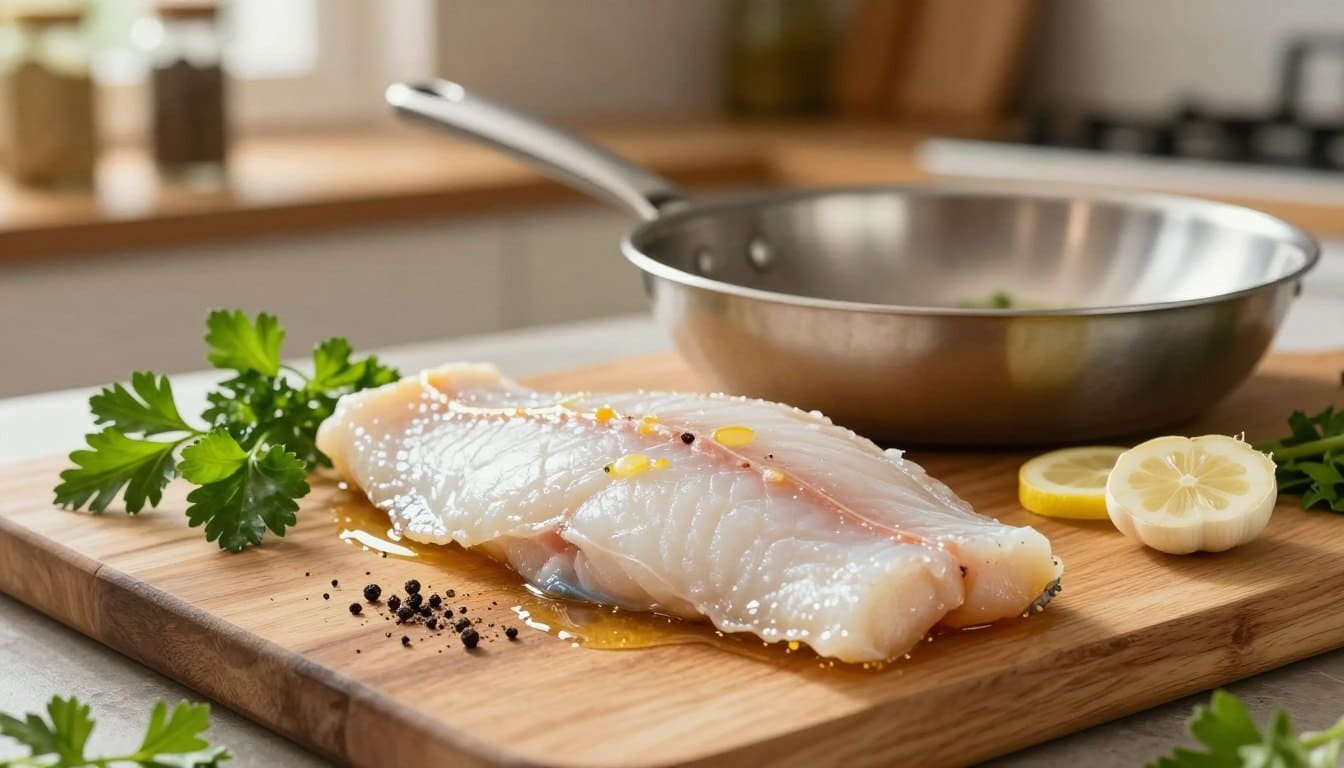
Cod and halibut are both white fish, though fillets can vary in thickness and shape. Use similarly sized pieces if you substitute one for the other, then check the thickest part as it cooks. For a heartier meal, pasta or chowder makes the seafood itself part of a more filling dish.
Fish fillets may look opaque before the center reaches the right temperature, so a thermometer is the clearest check. Insert it into the thickest section without touching the pan. Check the thickest part of a fish fillet with a food thermometer and look for 145°F.
Conclusion
The easiest recipe to start with is the one that suits both your schedule and the fish you have. If cleanup is your main concern, choose a meal that keeps the fish and its accompaniments together. If flavor matters most, pick a direction you already enjoy, then keep the side simple.
Before you commit, check that the ingredients and cooking method fit the fish fillets in your refrigerator or freezer. A recipe that matches their thickness and the time you have is easier to manage. Choose a recipe, check your ingredients, and set out what you need before you start cooking.
FAQ
Can I use frozen fish in a weeknight recipe?
Yes, frozen fish works in a weeknight recipe when you thaw it safely and pat it dry before cooking. Dry surfaces brown better and help coatings stick. If you cook fish from frozen, allow extra cooking time and check the thickest part for doneness. Follow the recipe’s method, since some cooking techniques work better with thawed fillets.
How much fish should I plan per person?
A typical main-dish portion is about 4-6 ounces of raw fish per person. Plan toward the lower end when you are serving filling sides, such as potatoes, rice, or pasta. Choose a larger portion if fish is the main feature and your guests have bigger appetites. Buying fillets of similar size helps them cook evenly.
How do I keep white fish from drying out?
Use fillets of similar thickness, begin checking them early, and remove each one once it is cooked through. Thin pieces finish sooner than thick centers, even when they sit on the same pan. Avoid leaving cooked fish in a hot pan while other parts finish. A thermometer can help you check the thickest section without guessing.
Can I substitute cod for halibut in a recipe?
Yes, cod can usually replace halibut in a recipe. Choose fillets with a similar thickness so they cook at a comparable pace, then check for doneness early. The fish’s shape and thickness affect cooking time more than the name of the species alone. This swap works best when the recipe’s seasoning and other ingredients suit either mild white fish.
What sauce goes well with fish?
Lemon and herb sauce suits a light finish, while tomato sauce gives fish a more robust flavor. Match the sauce to the recipe’s other ingredients so it complements rather than covers them. A bright citrus sauce works well with a fresh salad, while tomato sauce can fit a heartier meal with pasta or rice. Keep the amount modest at first.
Is fresh fish always better than frozen fish?
No, fresh fish is not always better than frozen fish. Properly frozen fish can be convenient, and careful handling and freshness matter more than the label alone. Thaw frozen fillets safely and pat them dry before cooking for better browning. Whether you choose fresh or frozen, look for fish that has been stored and handled well.