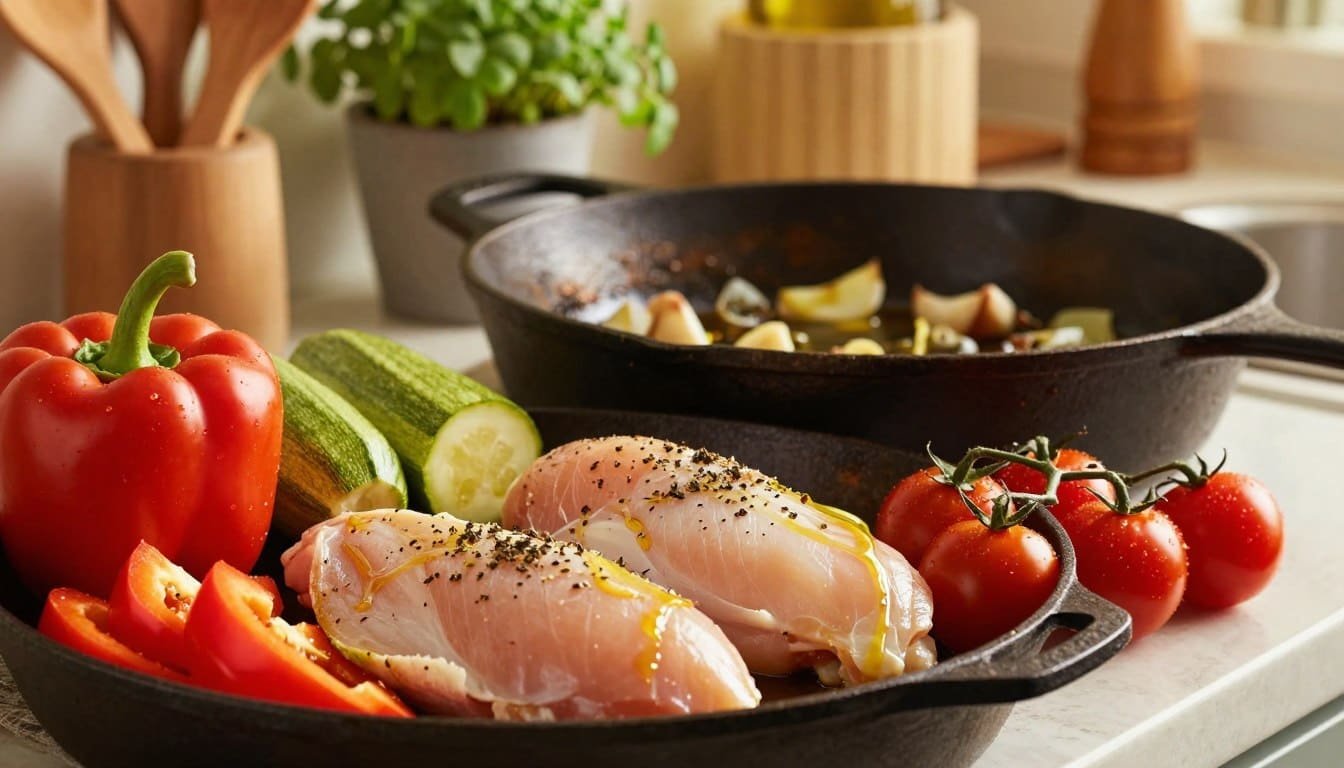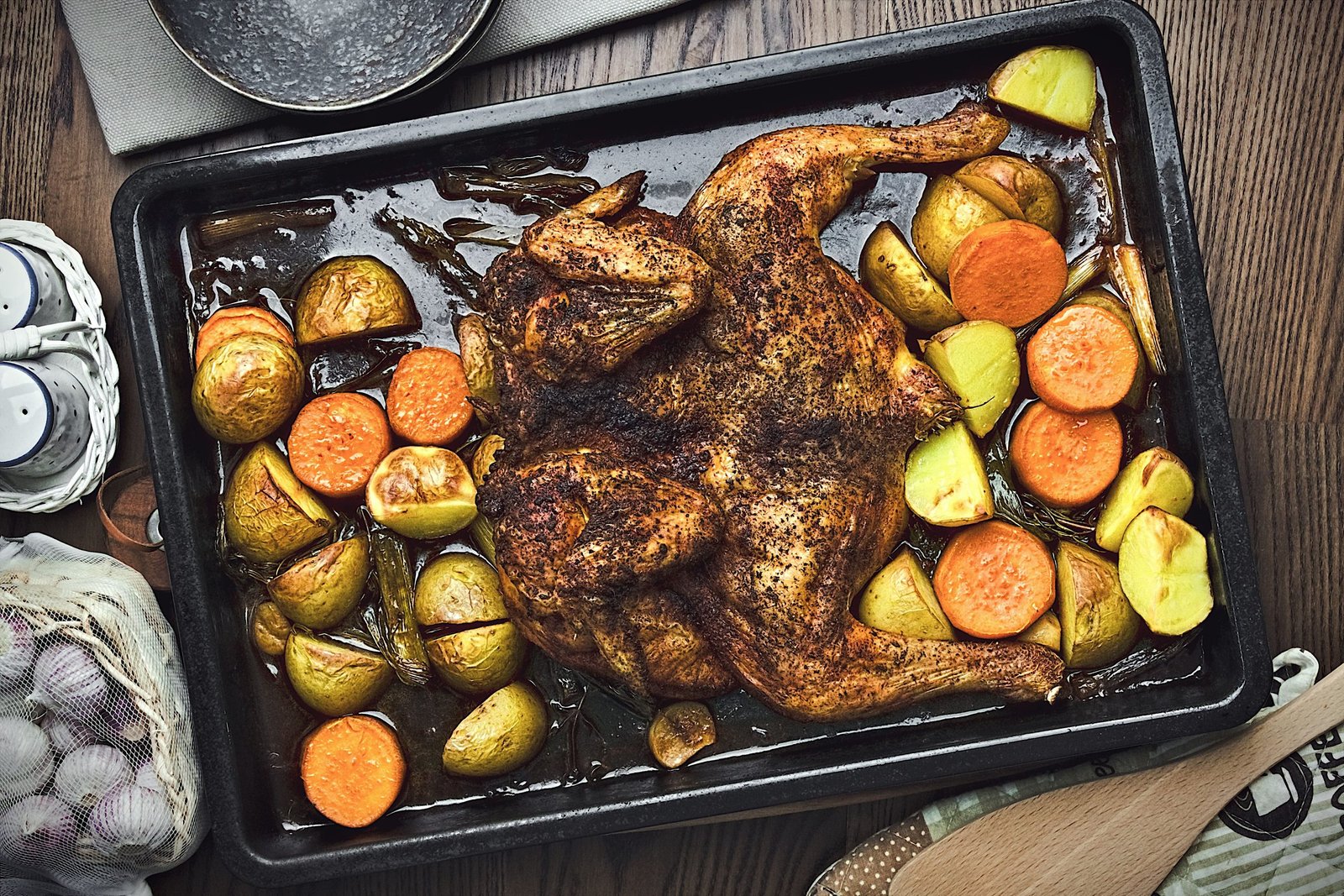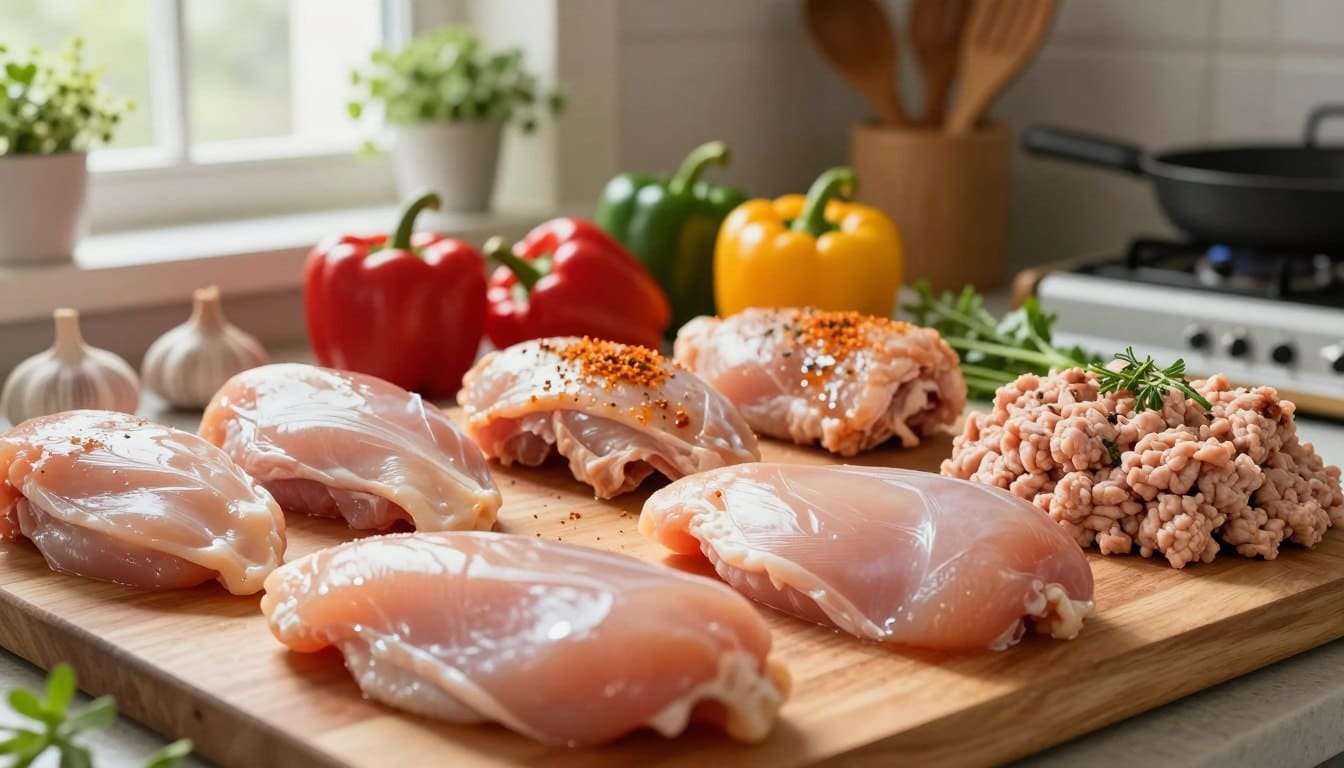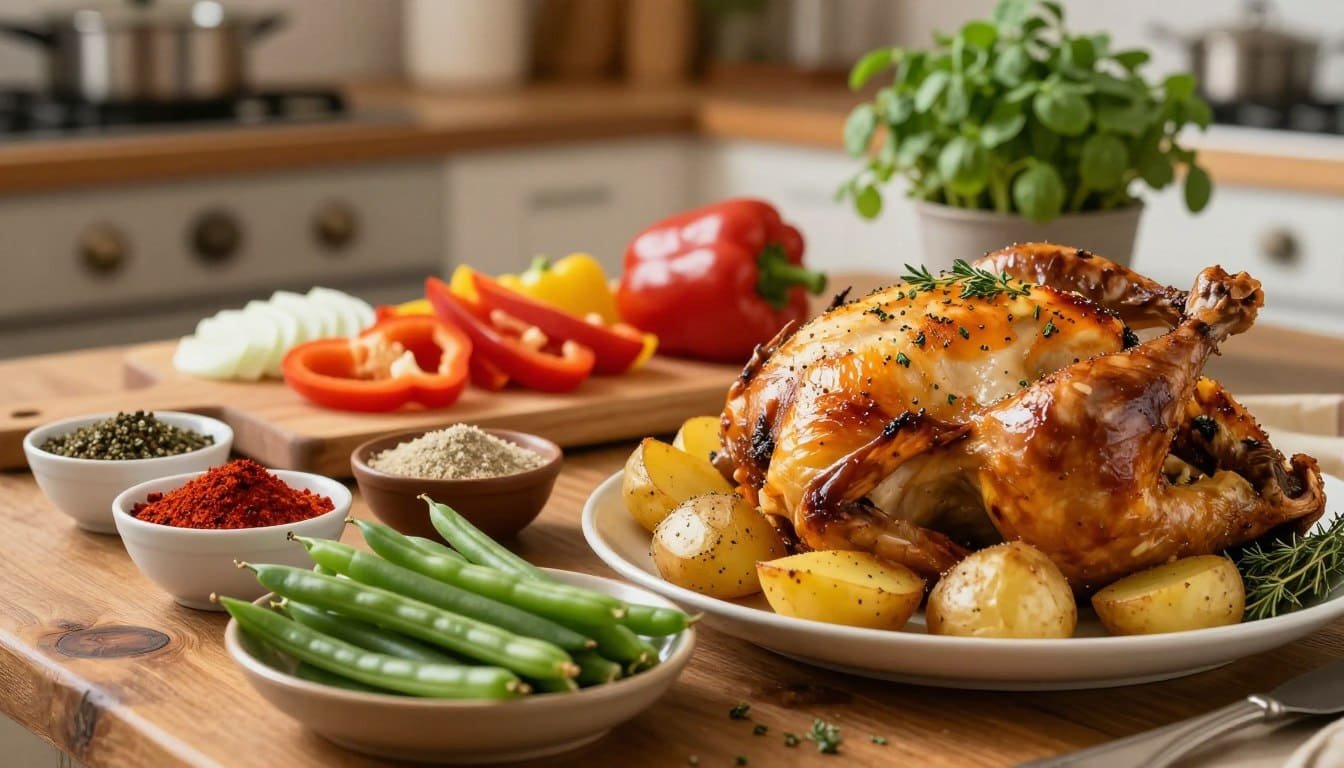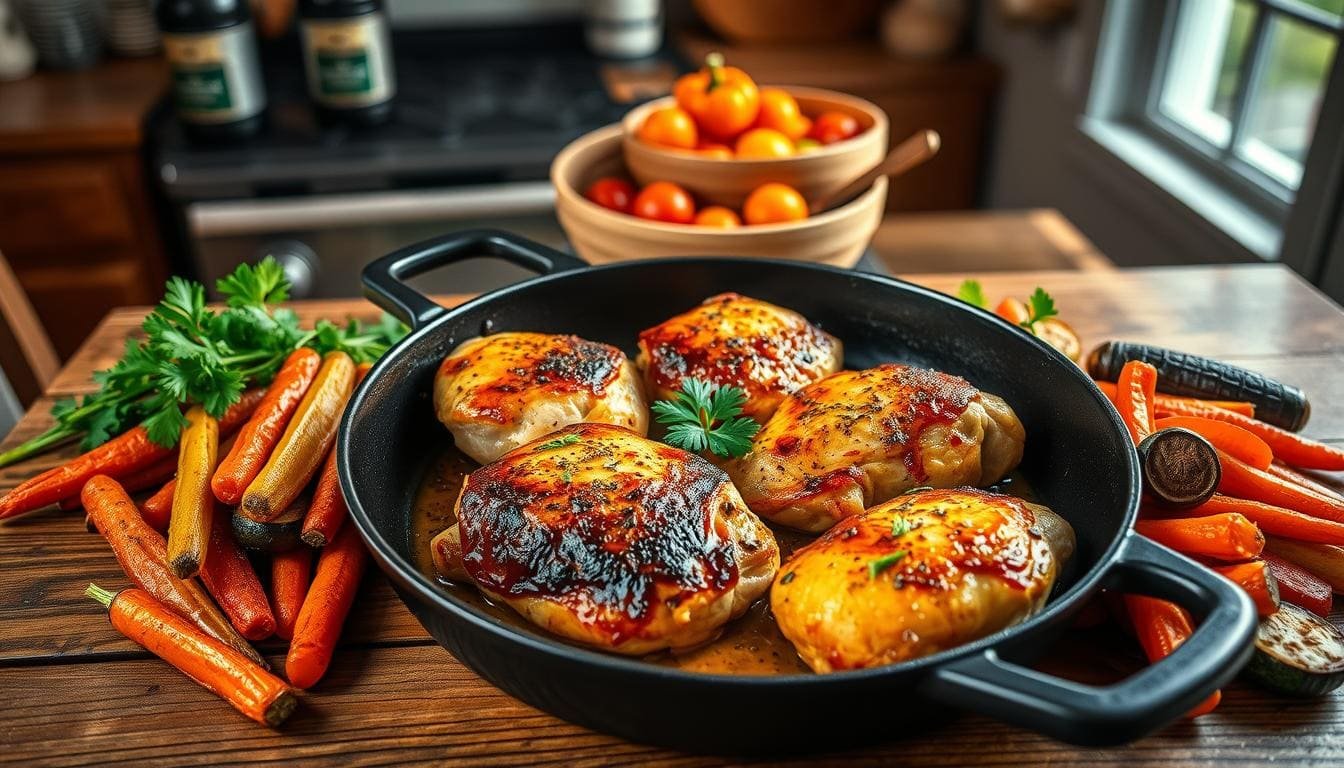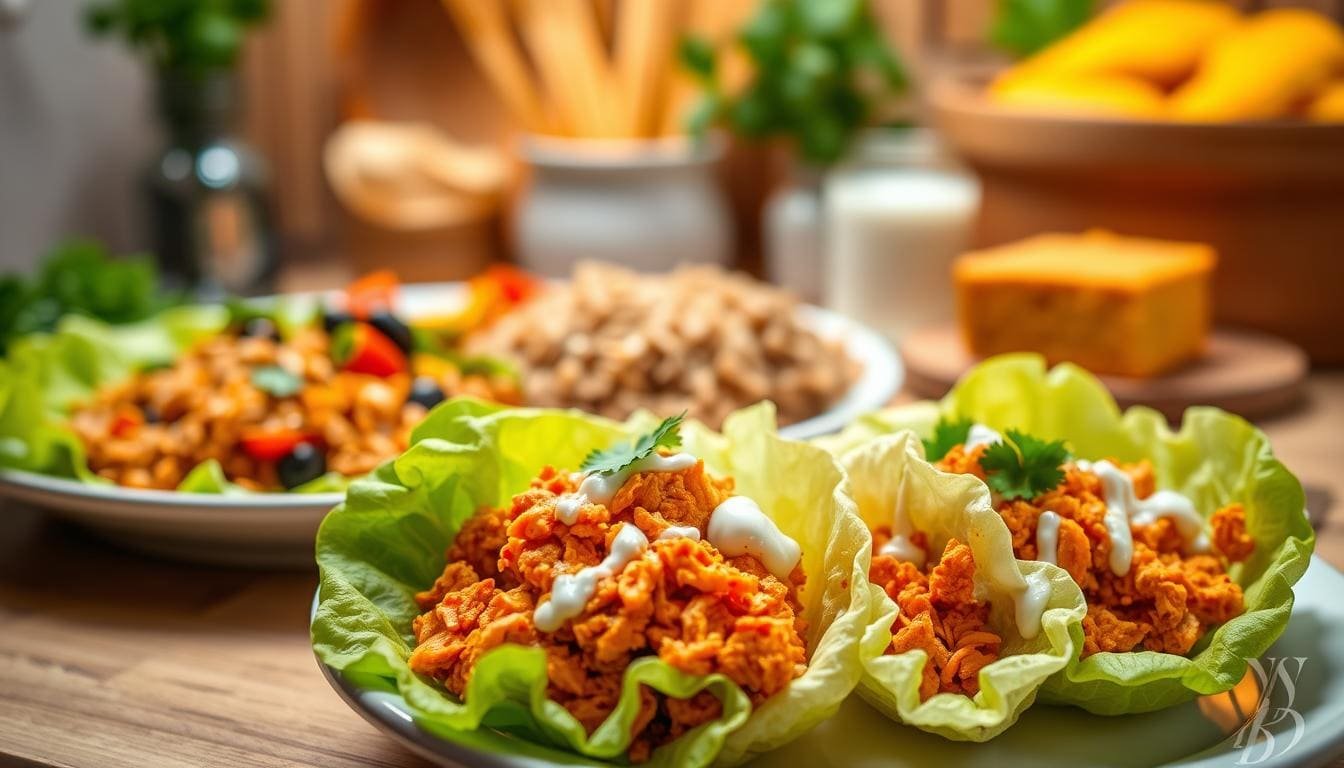
A busy week is easier to plan when you have more than one reliable dinner idea to choose from. These 20 chicken recipes give you a mix of bowls, salads, skillet meals, rice dishes, and comfort food, so dinner can fit the evening you actually have. “This week” is a useful way to narrow the choices, not a promise that you need to cook all 20 Best Recipes Chicken
Some nights call for a filling meal; others leave room for a lighter plate or a hands-on dinner everyone can customize. You can choose based on your schedule, appetite, and what is already in the kitchen. Pick a few recipes that match the time and ingredients you already have.Key Takeaways
- Choose from 20 chicken recipes across several dinner styles.
- Bowls, salads, skillets, and rice dishes offer different levels of flexibility.
- Comfort-food options can make a busy week feel more manageable.
- Pick recipes that fit your time and ingredients, rather than cooking every option.
- Mix familiar favorites with a new flavor or format.
- 20 Best Recipes Chicken
- Foodarecipes
Recipes Chicken Lovers Can Build Into Filling Bowls
For a filling bowl, start with a grain base, add seasoned chicken, then finish with a fresh or creamy contrast. A grain bowl is a meal assembled over a grain base with protein, vegetables, and sauce.
20 Best Recipes Chicken
Sesame Ginger Chicken Bowls pair chicken thighs with steamed rice, cucumber, radish, and sesame-ginger sauce. The crisp vegetables brighten the savory, saucy chicken, while the rice makes the meal substantial. It is a useful recipe when you want several textures in one dinner.
The Copycat Chipotle Burrito Bowl takes a more customizable route. Set out the ingredients and let each diner choose the toppings they want, which works well when tastes differ around the table. The same flexible approach makes bowl-style chicken recipes easy to adapt without changing the main meal.
Keep sauce on the side when diners want different levels of flavor.
The table compares a range of bowl and salad formats, including the one-pot rice option. Their bases and additions give you a quick way to match a recipe to the kind of meal you want.
| Recipe | Base | Distinctive additions | Useful occasion |
| Sesame Ginger Chicken Bowls | Steamed rice | Cucumber, radish, sesame-ginger sauce | A saucy bowl dinner |
| Copycat Chipotle Burrito Bowl | Burrito bowl base | Customizable toppings | A build-your-own dinner |
| Copycat Sweetgreen Harvest Bowl | Harvest bowl base | Roast chicken, sweet potato, balsamic vinaigrette | A takeout-style lunch |
| One-Pot Pepperoncini Chicken & Rice | Creamy rice | Vinegary pepperoncini | A one-pot comfort meal |
| Chicken-Avocado Caprese Salad | Romaine | Grilled balsamic chicken, avocado | A lighter dinner |
Which Chicken Salads Make a Full Dinner?
A dinner salad works best when it has enough contrast to stay interesting from the first bite to the last. Protein, crunch, and a bold accent help make chicken salads feel substantial rather than like greens on the side.
Blackberry Chicken Salad combines chicken with feta, toasted walnuts, and blackberries for a sweet-and-savory plate. The berries bring a fresh sweetness, feta adds a salty, creamy bite, and walnuts give each forkful crunch. Seasoned chicken makes the salad filling enough to serve as dinner.
Grilled Chicken Salad takes a Mediterranean-inspired direction, with cucumber, tomato, feta, olives, and avocado. Cucumber and tomato keep the plate fresh, while olives and feta deliver salty depth. Creamy avocado softens those sharper notes, and grilled chicken provides the meal’s protein.
Use this short checklist to build a satisfying salad from the ingredients you like. Each element has a clear job, so the finished plate has more going on than a pile of leaves.
- Seasoned chicken for a filling, savory center.
- Something crisp, such as cucumber or toasted walnuts.
- A creamy or salty accent, such as avocado or feta.
- A fresh or sweet contrast, such as tomato or blackberries.
A salad can still feel light while offering enough variety to hold your attention. Add dressing just before serving to keep crisp ingredients from softening.
What Can You Make With Chicken Breasts?
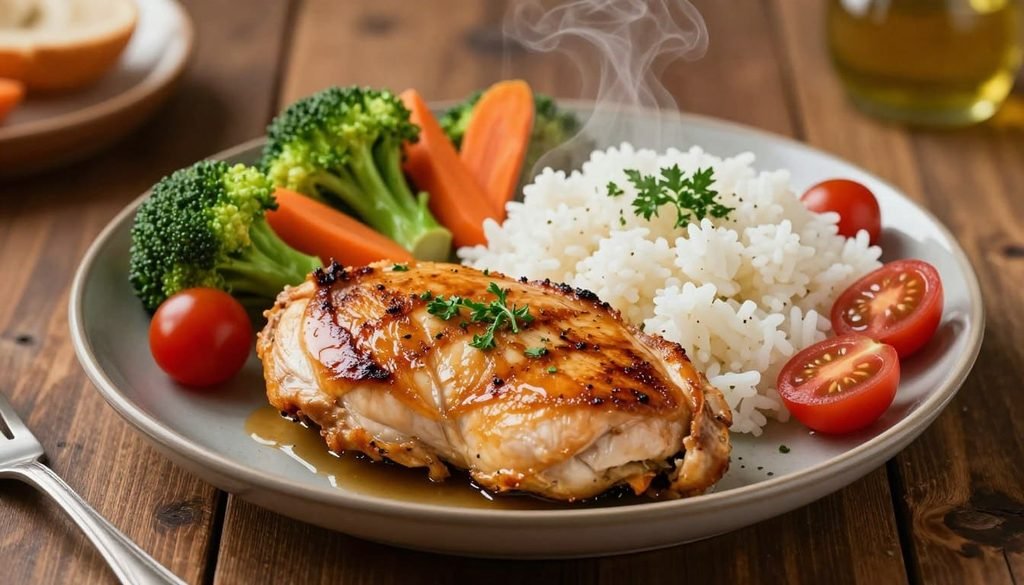
Chicken breasts suit dinners where a creamy filling or sauce can turn a lean cut into the centerpiece. Two distinct directions are a baked Alfredo-style meal and a stuffed-breast recipe.
Chicken Alfredo Spaghetti Squash pairs chicken breasts with homemade Alfredo, mozzarella, and baked spaghetti squash. The squash gives the dish a pasta-like comfort-food feel without making a nutrition claim. Creamy sauce and melted cheese make this chicken recipe a cozy choice when you want familiar flavors in a different form.
Air Fryer Spinach & Artichoke Stuffed Chicken Breast offers another way to make breasts the main event. The recipe’s name signals a spinach-and-artichoke filling and an air-fryer method, giving you a contained, savory center rather than a sauce-covered dish.
These options show how chicken breasts can anchor more than a plain entrée. One puts the sauce and squash around the chicken; the other keeps its filling inside the breast. Both are satisfying choices when you want the chicken to feel like the centerpiece of dinner.
Serve either recipe as the main plate, then choose a simple accompaniment if the meal needs one. Use a thermometer rather than appearance alone to check that the thickest part is cooked through.
Which One-Pan Chicken Dinners Save on Cleanup?
Foil packs and stir-fries are useful when you want a complete dinner without a pile of cookware. Contained cooking means fewer pieces to manage while the chicken and other ingredients cook together.
Honey Mustard Chicken, Tomato & Zucchini Foil Packs divide dinner into individual packets, while Chicken Stir-Fry cooks in a pan. The foil packs bring honey mustard together with tomato and zucchini; the stir-fry combines chicken with vegetables and sauce. Choose foil when individual servings suit your table, or a pan when you want to serve from one shared dish.Other chicken recipes keep the cooking contained in a single vessel. One-Pot Pepperoncini Chicken & Rice cooks as a one-pot meal, and Caprese Chicken Gnocchi Skillet brings chicken and gnocchi together in a skillet. Mexican Street Corn Skillet is another skillet dinner, with the option to serve it alongside tortillas.
| Recipe | Cooking format | Named flavor or ingredient cue | Serving style |
| Honey Mustard Chicken, Tomato & Zucchini Foil Packs | Foil packs | Honey mustard, tomato, zucchini | Individual packs |
| Chicken Stir-Fry | Pan stir-fry | Chicken with vegetables and sauce | Serve from the pan |
| One-Pot Pepperoncini Chicken & Rice | One pot | Creamy rice and pepperoncini | One-pot meal |
| Caprese Chicken Gnocchi Skillet | Skillet | Caprese flavors and gnocchi | Skillet dinner |
| Mexican Street Corn Skillet | Skillet | Corn, lime, smoky spices | With tortillas or on its own |
These formats keep the number of cooking vessels modest without making every dinner the same. Check that foil packs are fully sealed before cooking so their contents stay contained.
How Do Chicken and Gnocchi Become a Comforting Dinner?
Gnocchi gives chicken dinner a tender, filling partner, and the sauce or flavor profile decides the mood. Creamy or Caprese-style is the main choice between these two recipes.
High-Protein Creamy Chicken & Gnocchi is the creamy option, pairing chicken and gnocchi in a rich, comforting dish. The sauce gives the recipe its defining character, making it a natural pick when you want a bowl of warm, creamy food. Its name distinguishes the style without requiring extra ingredients or claims about nutrition.
Caprese Chicken Gnocchi Skillet takes a different path. It combines pan-roasted chicken with store-bought gnocchi and Caprese flavors, so the meal leans on a tomato-and-cheese profile rather than a creamy sauce.
The formats also give you different ways to think about the finished plate. One is centered on a creamy chicken-and-gnocchi combination; the other puts pan-roasted chicken and gnocchi beside familiar Caprese-style flavors.
Choose between them based on the taste you want, not on an assumed difference in cooking time or nutrition. Choose the Caprese-style version when you want tomato-and-cheese flavors rather than a creamy sauce.
How Can You Make Fajitas and Street Corn Into Dinner?
Chicken fajitas bring the familiar sizzling-pan experience home, while the corn skillet makes corn the star alongside chicken. Both dinners invite a little hands-on fun, with room for people to shape their own plates.
Chicken Fajitas are a Tex-Mex classic you can make at home with chicken and peppers. The sizzling mixture makes a lively centerpiece, and warm tortillas let you wrap the ingredients into a meal. Mexican Street Corn Skillet pairs chicken with corn, lime, and smoky spices for a different balance of flavors.
The corn skillet can stand on its own or be served with warm tortillas. Keep its role distinct from fajitas: chicken and peppers bring the familiar skillet experience, while corn leads the other dinner. A few simple serving steps help either meal feel relaxed rather than fussy.
- Slice and cook the chicken and vegetables.
- Warm tortillas if serving them.
- Set out fresh toppings.
- Let diners assemble their portions.
Fresh additions can bring brightness to either dinner without changing its main flavor. Put lime and fresh toppings on the table so each person can adjust the finished plate.
Which Mediterranean-Inspired Chicken Dinners Feel Fresh?
A few familiar Mediterranean ingredients can give chicken a bright, savory direction without requiring a separate side dish. One-pot or stuffed describes the choice between these two styles.
Mediterranean Chicken uses chicken breasts and is designed as a one-pot meal. The recipe allows additions such as olives, capers, or sun-dried tomatoes, so you can build a sharper, more savory flavor. Its one-pot format makes it a flexible choice when you want dinner to feel complete in one vessel.
Caprese Stuffed Chicken is the more contained option: a stuffed-chicken dish with Caprese-style inspiration. That approach puts the flavor inside the chicken rather than presenting a one-pot meal. Pick the format that better suits the kind of dinner you have in mind.
Mediterranean additions can be used selectively rather than all at once. Here are three options named for the recipe:
- Olives.
- Capers.
- Sun-dried tomatoes.
These extras can add a strong savory note, especially when several appear in the same dish. Add optional extras gradually so salty ingredients such as olives and capers do not overwhelm the dish.
What Makes These Copycat Salads Worth Making at Home?
Restaurant-inspired salads are appealing when you want familiar flavors in a meal you can tailor at home. Fruit-forward or hearty is a helpful way to choose between these salad and bowl ideas.
Copycat Panera Bread Strawberry Poppyseed Salad brings a fruit-forward identity, while Copycat Sweetgreen Harvest Bowl combines roast chicken, sweet potato, and balsamic vinaigrette. The strawberry salad is a fresh choice for lunch or dinner. The harvest bowl leans heartier, with roast chicken and sweet potato forming its central combination.The table includes those restaurant-inspired options alongside three other salads, so you can compare formats and flavor cues at a glance. A salad may suit a lighter dinner, while a harvest bowl can work well when lunch needs more substance.
| Recipe | Format | Named ingredients or flavor cues | Meal occasion |
| Copycat Panera Bread Strawberry Poppyseed Salad | Salad | Strawberries, poppyseed | Fresh lunch or dinner |
| Copycat Sweetgreen Harvest Bowl | Harvest bowl | Roast chicken, sweet potato, balsamic vinaigrette | Hearty lunch |
| Blackberry Chicken Salad | Salad | Blackberries, feta, toasted walnuts | Sweet-savory dinner |
| Grilled Chicken Salad | Salad | Cucumber, tomato, feta, olives, avocado | Mediterranean-inspired dinner |
| Chicken-Avocado Caprese Salad | Salad | Grilled balsamic chicken, avocado, romaine | Light summer dinner |
Copycat recipes let you make a familiar meal at home and adjust it to your preference. Keep crunchy additions separate until serving if you are packing the salad ahead.
How Does Gochujang Change White Chicken Chili?
Gochujang gives white chicken chili a savory, red-tinted twist while keeping the familiar bowl-of-chili format. Sweet, savory, and umami-rich, the Korean red chili paste adds a different flavor direction.
Creamy Gochujang White Chicken Chili is a red-tinted variation on white chicken chili. The chili paste gives the soup a deep, savory character alongside its sweetness. Its color and flavor make the dish distinct from a more familiar pale version.
Gochujang adds flavor without necessarily making the dish intensely hot. That does not mean every diner will experience the same level of heat, since preferences differ. It is a useful spin for anyone who likes the comforting format of chili and wants a different taste in the bowl.
The creamy texture helps keep the meal familiar even as the chili paste changes its flavor. You can serve it as a warming weeknight dinner when a standard chicken recipe feels too predictable, but a wholly new format is not what you want.
Keep the first serving measured when you are cooking for a group with mixed heat preferences. Offer a small taste before adding extra chili, since heat preferences differ.
What Is the Easiest Way to Make Chicken and Broccoli a Meal?
Chicken and broccoli make a simple starting point for a dinner that can be served with a favorite grain or side. A sauce or accompaniment can make the straightforward pairing more substantial.
Chicken & Broccoli brings chicken together with broccoli as the dish’s vegetable component. A sauce is one serving option if you want a more cohesive plate; a grain or another side can add substance. These are ways to serve the recipe, not extra ingredients that its name promises.
Think about the finished meal before you cook: chicken and broccoli can be the center, while a side fills out the plate. A favorite grain is one practical option; another familiar side can work just as well if that better fits your dinner.
Broccoli pieces of similar size tend to cook at a more even pace than a mix of very large and very small florets. That simple bit of knife work makes it easier for the vegetable to be ready together, rather than leaving some pieces soft while others remain firm.
Keep the additions flexible, especially if you are serving people with different preferences. Cut broccoli into similarly sized florets so the pieces cook at a more even pace.
Why Is Pepperoncini Chicken and Rice a One-Pot Favorite?
Pepperoncini bring a lively, vinegary contrast to the creamy rice in this one-pot dinner. Tang against creaminess gives the dish its defining balance.
One-Pot Pepperoncini Chicken & Rice comes together in under an hour. The recipe pairs creamy rice with vinegary pepperoncini, whose sharp flavor helps keep the meal from feeling too heavy. That contrast makes this chicken rice dish especially appealing when you want comfort with a bright edge.
The under-an-hour timing describes the recipe, not a guarantee for every cook or kitchen setup. The one-pot format keeps the rice and chicken in the same meal, while the pepperoncini add a punchy note to the creamy base.
The peppers bring more than tang: their brine may also affect the seasoning of the finished dish. Taste the peppers before adding extra seasoning, since their brine can bring its own saltiness.
Can a Caprese Salad With Chicken Work as Dinner?
Grilled balsamic chicken and avocado turn a simple Caprese-inspired salad into a more filling plate. Fresh and substantial can coexist when the salad includes a satisfying main ingredient.
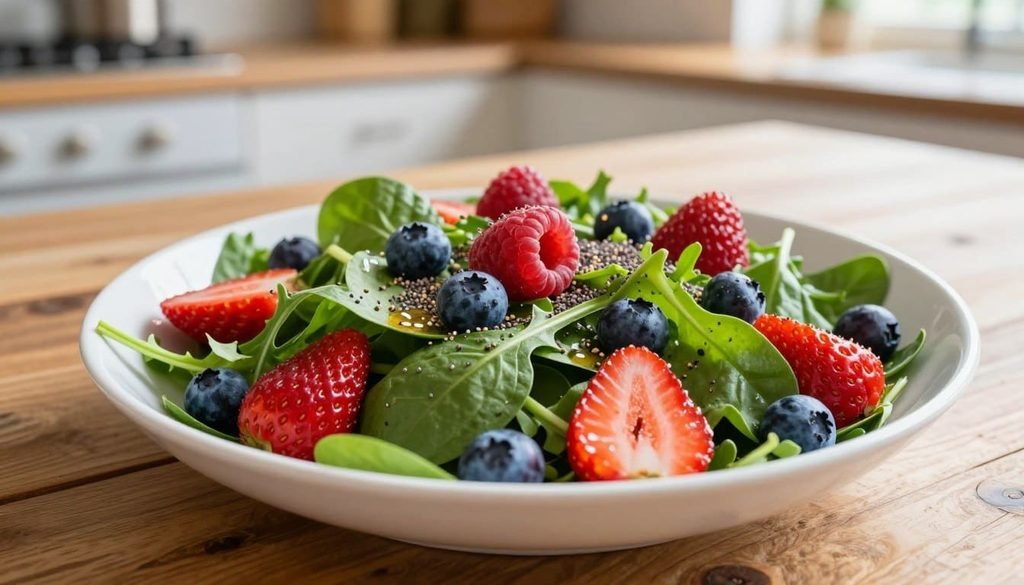
Chicken-Avocado Caprese Salad combines grilled balsamic chicken, creamy avocado, and crisp romaine. The chicken gives the salad a savory center, while avocado adds a softer texture against the greens. Romaine keeps each bite crisp, so the plate does not feel like a heavy meal.Caprese is the flavor inspiration, and the chicken and avocado make this version substantial enough to serve as dinner. It keeps the simplicity of a Caprese-inspired salad while giving you more than a few fresh ingredients on a plate.
This recipe works when you want a lighter dinner that still has a clear centerpiece. Add the avocado close to serving time to preserve its color and texture.
How to Turn These Picks Into Five Weeknight Dinners
A five-night plan works best when it mixes formats instead of asking you to make the same kind of dinner every night. Variety with a little structure helps you choose meals without treating the calendar as a strict rule.
Build the week around different formats: bowl, salad, skillet, chili, and one-pot rice. That gives you a range of dinner styles while leaving room to shift nights around. A meal plan should make decisions easier, not add another task to a busy week.
Match Each Night to the Time You Have
On a busy night, choose a meal whose format feels easy to manage and does not require extra decisions at the table. A bowl can be useful when diners want different toppings. On a night with more cooking time, make the skillet-style dinner the main event.
Plan a meal that can leave useful leftovers when tomorrow’s schedule looks tight. That choice gives you a second serving to work with, rather than asking you to invent another dinner at the last minute. Keep the plan flexible enough to follow the week you have.
Build a Five-Day Rotation
The table turns five chicken recipes into a simple rotation. Each night has a different format and a practical role, so the sequence feels varied without requiring complicated planning.
| Night | Recipe | Format | Planning role |
| Night 1 | Sesame Ginger Chicken Bowls | Bowl | Flexible toppings |
| Night 2 | Grilled Chicken Salad | Salad | Lighter meal |
| Night 3 | Chicken Fajitas | Skillet-style dinner | Customizable portions |
| Night 4 | Creamy Gochujang White Chicken Chili | Chili | Warming meal |
| Night 5 | One-Pot Pepperoncini Chicken & Rice | One-pot rice | Comforting finish |
Use the rotation as a starting point, not a fixed sequence. Swap the order of the five meals to fit the busiest nights in your own calendar.
Which Chicken Cuts Suit Different Recipes?
The cut you buy should match both the recipe’s cooking method and how hands-on you want to be. Breasts and thighs each suit different meals and cooking styles.
Chicken breasts work well for faster meals and lighter salads, while chicken thighs suit richer dinners and slower cooking. Whatever the cut, cook poultry to an internal temperature of 165°F (74°C). A food thermometer gives you a clear check at the thickest part.
Choose Breasts for Faster, Leaner Meals
Chicken breasts are a useful pick when you want a leaner cut or a quick-cooking dinner. They fit well in lighter salads, and their even pieces can be easy to portion across a meal. If breasts vary in thickness, check the thickest part with the thermometer rather than relying on appearance.
Breast meat can dry out if it cooks too long, so a precise temperature check matters. For poultry, the target is 165°F (74°C) internally. Use a thermometer to confirm that point before serving.
Use Thighs for Richer, More Forgiving Dinners
Chicken thighs are forgiving in curries, traybakes, and slower cooking, and their richer character can suit heartier meals. They are a sensible choice when the recipe benefits from a cut that can handle a longer cooking approach.
Before shopping, use these four checks to match the pack to your chicken recipe:
- Recipe method, including whether it suits a quick or slower cook.
- Cut thickness, which affects how evenly pieces cook.
- Bone-in or boneless requirement in the recipe.
- Amount needed for the meal you plan to serve.
Check the recipe’s cut and bone-in or boneless requirement before buying, since those details can change cooking time.
How Can You Prep and Store Chicken Dinners Safely?
A little advance prep helps dinner come together without sacrificing the texture of fresh ingredients. Prepare what holds well, then leave delicate components for the moment you serve the meal.
Keep raw chicken separate from ready-to-eat food during preparation. You can prepare sturdy vegetables and sauces ahead, but keep crisp salad ingredients and dressing separate. That way, the parts that should stay fresh do not soften while waiting for dinner.
Prep Ingredients Without Losing Texture
Wash and cut sturdy vegetables in advance, and store sauces in their own containers. Leave delicate greens and crisp toppings apart from dressing until serving. This small division makes it easier to prep without turning a fresh salad limp.
Keep raw chicken away from food you plan to eat without cooking. Wash hands and work surfaces after handling it, and use covered containers for prepared ingredients. These habits make the kitchen easier to manage when you are working on several parts of dinner.
Chill and Reheat Leftovers Carefully
Refrigerate cooked chicken leftovers for 3-4 days. Put them in covered containers promptly, and reheat them thoroughly before serving. Labeling each container with its date makes it easier to track what should be used first.
Discard leftovers that have been left out too long or whose storage history is uncertain.
Use this four-step checklist when preparing and storing a chicken dinner:
- Wash hands and work surfaces.
- Keep raw chicken separate from ready-to-eat food.
- Refrigerate cooked food promptly.
- Label containers with the date.
Covered containers help keep leftovers organized and contained in the refrigerator. Discard leftovers that have been left out too long or whose storage history is uncertain.
Conclusion
The easiest dinner decision is the one that fits the time and ingredients you have today. The best first pick is not necessarily the most ambitious recipe; it is the one that suits tonight’s schedule and appetite.
Choose one meal that sounds good, then take a quick look at what you already have. A little planning can spare you a last-minute change when a key ingredient is missing. Choose one recipe for tonight and add any missing ingredients to your grocery list.
FAQ
Can I use rotisserie chicken in these recipes?
Yes, rotisserie chicken works well in bowls, salads, and some soups or skillets. Because it is already cooked, add it near the end of cooking so it warms without becoming dry or overcooked. Pull the meat into bite-size pieces before adding it, and adjust the recipe’s seasoning since ready-to-use chicken may already be seasoned.
How do I keep chicken breast from drying out?
Cook chicken breast pieces of even thickness, use a thermometer, and remove them when the thickest part reaches 165°F (74°C). Thin ends can cook faster than the center, so pieces with similar thickness are easier to manage. Resting the cooked chicken briefly before slicing also helps keep the juices from running out immediately.
Can I use brown rice in chicken rice bowls?
Yes, you can use brown rice in chicken rice bowls, but it generally takes longer to cook than white rice. Cook it separately when you want to keep the chicken recipe’s liquid and timing unchanged. Otherwise, adjust both to suit the rice, since its longer cooking time can affect how the other ingredients turn out.
What can I use instead of gochujang in white chicken chili?
A different chili paste can add heat to white chicken chili, but start with less and adjust to taste. Gochujang has its own sweet-savory flavor and salt level, so another paste will not taste exactly the same. Taste the chili after adding a small amount before deciding whether you want more spice.
Can I prepare chicken salads ahead of time?
Yes, you can prepare the chicken and sturdy salad ingredients ahead, but keep dressing and delicate greens separate until serving. This helps the leaves stay crisp instead of wilting in the container. Store prepared parts in covered containers in the refrigerator, then combine them shortly before you plan to eat.
Can I freeze cooked chicken leftovers?
Yes, cooked chicken leftovers can be frozen. Cool and package portions promptly, label each container with the date, and thaw the food safely before reheating. Smaller portions are often easier to thaw and reheat than one large container. Reheat thoroughly, and discard food if you are unsure how it was stored.
Is it safe to put frozen chicken in a slow cooker?
No, thaw chicken before adding it to a slow cooker. Frozen chicken can spend too long warming up as the cooker heats, which creates an unsafe window before the food reaches a safe cooking temperature. Thaw it in the refrigerator before cooking, and keep it separate from ready-to-eat ingredients during preparation.