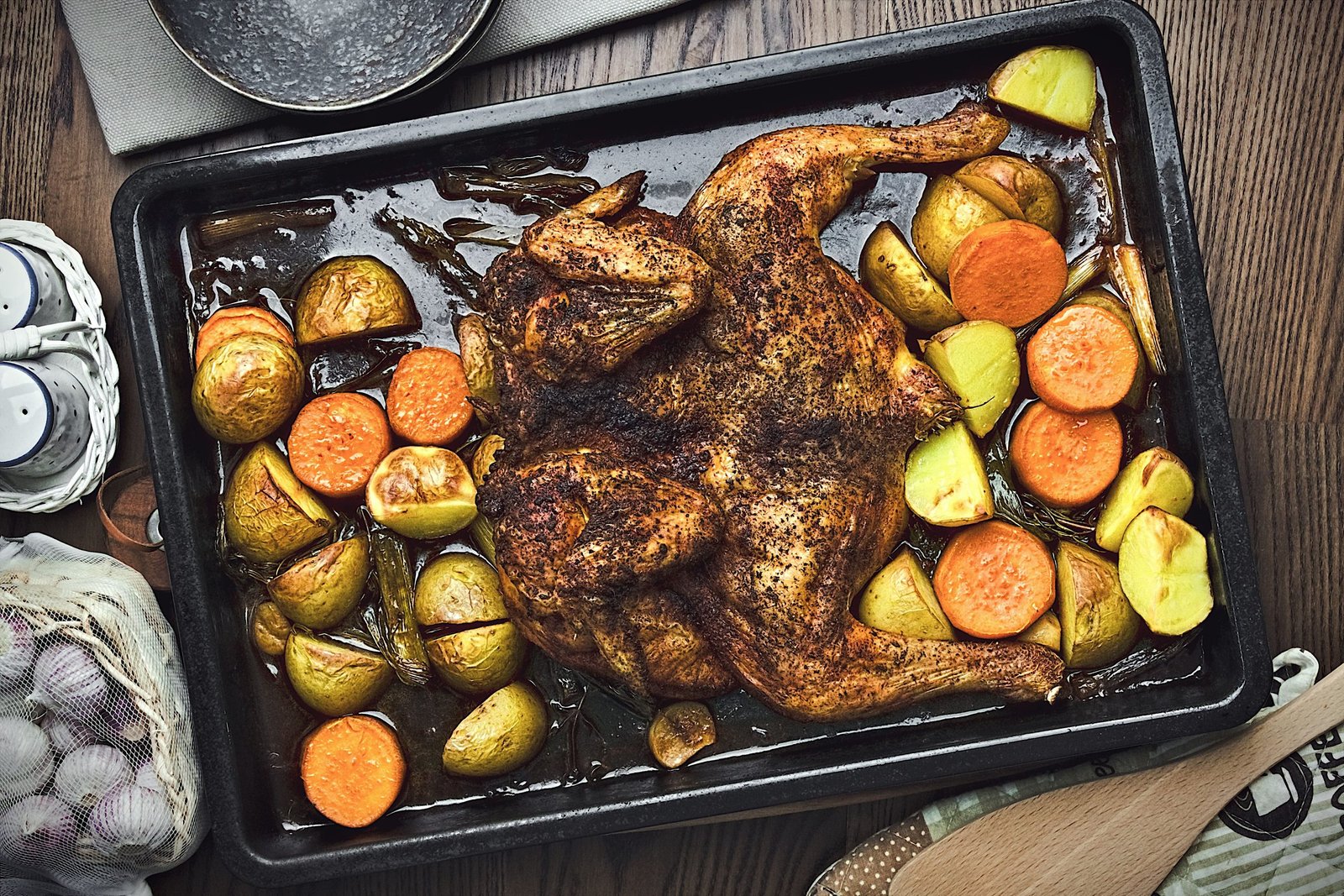
With work, errands, and family plans filling the evening, recipes chicken 2026 can help you get dinner on the table without making it another project. These 30 ideas range from quick meals to cozy family favorites, with several cooking styles and flavors to suit different nights. foodarecipes Recipes Chicken 2026
You’ll find options for stovetop cooking, bowls, salads, skillet meals, and more. Carryover cooking is the brief rise in a food’s internal temperature after it is removed from the heat.Use the time and effort you have tonight to narrow the choices, then pick a style that sounds good. A fast skillet meal may suit a packed evening, while a hands-off or cozy dinner can work when you have more room to plan.
Recipes Chicken 2026
Key Takeaways
- Match the cooking method to your available time and attention.
- Choose a chicken cut that suits the recipe’s texture and method.
- Use sauces, herbs, and toppings to change familiar flavors.
- Prep ingredients ahead, while keeping raw chicken separate.
- Check chicken with a food thermometer, not color alone.
- Save plain portions when you want leftovers to become another meal.
How Can You Choose Tonight’s Dinner by Time and Effort?
Recipes Chicken 2026
The best dinner pick depends on both the time you have and how much hands-on cooking the evening allows. Choose an easy chicken meal that fits the whole task, not just the time at the stove.
Prep, cooking, and cleanup all affect the real effort. A dish that cooks with less attention may suit a busy evening better than a faster recipe that needs constant stirring.
Choose by the time you have and the attention you can give, not by cooking time alone.
| Dinner | Time | Cooking style | Best fit |
| Ridiculously Good Chicken Tacos with Green Sauce | 20 minutes | Quick stovetop meal | Last-minute dinner |
| 5 Ingredient Lemon Chicken with Asparagus | 20 minutes | Pan-fried | Bright meal with a vegetable |
| Chicken Curry in a Hurry | 25 minutes | One-pot | Quick family dinner |
| Chicken and Broccoli Stir-Fry | About 30 minutes | Stir-fry | Fresh takeout-style meal |
| Hot Chicken Chili | 45 minutes | Stovetop | Longer, weeknight-friendly meal |
The first two options take 20 minutes, while Hot Chicken Chili gives you a longer simmering dinner. These figures help you compare recipes, but your own prep can change the pace.
When you have about 20 minutes
For a short window, choose a meal with a direct cooking method and familiar ingredients. Tacos can be a last-minute dinner, while lemon chicken brings a vegetable into the pan.
Chicken Curry in a Hurry takes 25 minutes, and Chicken and Broccoli Stir-Fry takes about 30 minutes. Those options still suit a weeknight, especially when you have a little more time to chop and cook.
Recipes Chicken 2026
When you want a hands-off dinner
A hands-off meal is not always the fastest one. It simply leaves you less tied to the stove while the food cooks, which can matter more than shaving off a few minutes.
Consider prep and cleanup, too. A one-pot meal can reduce dishwashing, while a quick stovetop recipe may need your attention throughout. If you have a specific cooking style in mind, browse the matching group of dinner ideas next.
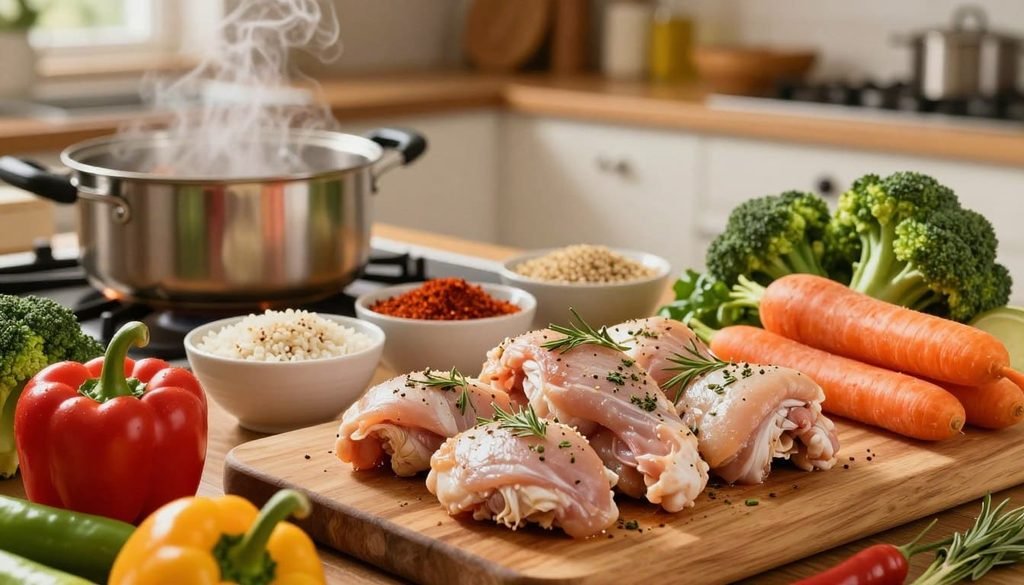
Recipes Chicken 2026 for Busy Weeknight Dinners
When the evening is already packed, a short, direct cooking method can get dinner moving without a complicated plan. These fast recipes rely on clear flavor and practical preparation.
Pick a recipe whose prep suits the time you have, not just the cooking method. Thin pieces, pantry seasonings, and a short ingredient list can all make dinner easier to pull together.
- Ridiculously Good Air Fryer Chicken Breast: Thinly slice the breast, coat it with spices, and air-fry for a golden result. The thinner pieces cook efficiently, and the spice coating adds flavor without a long sauce process.
- Ridiculously Good Chicken Tacos with Green Sauce: Juicy chicken makes a quick taco dinner with bold green sauce. The recipe is ready in 20 minutes, which makes it useful when the evening leaves little room for a long cook.
- 5 Ingredient Lemon Chicken with Asparagus: Lemon and pepper give this 20-minute dinner a bright taste, while honey butter sauce rounds it out. Asparagus cooks alongside the chicken, so one vegetable is already part of the meal.
- Chicken Curry in a Hurry: Coconut milk, curry powder, chicken, and vegetables come together in a one-pot meal. The compact method keeps the process straightforward and helps limit extra dishes.
- Chicken and Broccoli Stir-Fry: Tender chicken and broccoli meet pantry seasonings in a familiar stir-fry. Prepare the ingredients before heating the pan, then cook them in quick stages for a fresh takeout-style dinner.
These ideas get their convenience in different ways. Some use a short listed cooking time, while others reduce the number of steps or keep ingredients close at hand.
A short ingredient list does not mean you need to skip seasoning. Keep a few dependable spices, pepper, and a sauce you enjoy within reach, and dinner can still taste distinct.
Thinly sliced breast works well when you need it to cook through efficiently. If you would rather use one cooking vessel and wash fewer dishes, look to the skillet and one-pan ideas.
Which One-Pan Chicken Dinners Keep Cleanup Simple?
A single pan can sear, simmer, and bring dinner together, leaving you with fewer dishes to wash. These one-pan meals concentrate chicken, sauce, and other ingredients in one cooking vessel or on one sheet pan.
Leave enough room for the food to brown. A crowded pan traps moisture, so chicken or vegetables may steam instead of developing a browned surface.
- Chicken with Coconut Kale: Pan-fried chicken finishes in a creamy coconut-kale sauce with shallot and heat. Kale adds a vegetable to the skillet, and the sauce brings a rich, aromatic finish.
- Red Curry Chicken Stir Fry with Spicy Cashew Sauce: Red curry chicken comes with rice, broccoli, and a spicy cashew sauce. Rice and broccoli are already part of the meal, so you do not need to add another starch or vegetable.
- Lemongrass Chicken with Rice and Zucchini: Chicken thighs and rice are served with a creamy coconut-lemongrass sauce. Zucchini contributes a vegetable, and the rice makes the dish more filling.
- Lemon-Garlic Skillet Chicken and Potatoes: Chicken and potatoes cook together in a skillet for a hearty dinner. The potatoes provide the starch, while lemon and garlic offer a familiar, bright flavor.
- Creamy Chipotle Chicken Enchilada Skillet: This deconstructed enchilada combines chicken, green chile peppers, enchilada sauce, tortillas, cheese, avocado, and lime. The tortillas supply the base, and the toppings add coolness and texture.
Pan size matters when you want a good sear. If the chicken pieces touch or overlap, cook in batches rather than piling everything into a small skillet.
One-pan cooking does not require every ingredient to finish at the same moment. Add ingredients in stages when the recipe calls for it, so tender vegetables do not overcook while the chicken browns.
Look at what the recipe already includes before planning extra food. Rice, potatoes, tortillas, and vegetables can make these meals complete. If you prefer a layered meal with a base and toppings, move on to the bowls.
What Chicken and Rice Bowls Make a Filling Dinner?
Start with a cooked grain, add chicken, something crisp, and a sauce for a filling bowl. This buildable meal format lets you combine warm and cool ingredients in one serving.
A bowl can use a different grain or available vegetables, but substitutions may change the recipe’s texture and balance. Adjust the sauce to suit the base rather than assuming each swap works exactly the same way.Crockpot Chicken Bowls with Yellow Rice and Cilantro Pesto: Saucy shredded chicken sits over yellow rice with pickled onions, greens, and cilantro pesto. Each ingredient adds a different texture, from tender chicken to sharp, crisp onions.
Thai Peanut Chicken Bowls: Caramelized peanut chicken is served with vermicelli, herbs, cucumber salad, and peanut sauce. The cucumber and herbs add freshness to the rich, nutty flavors.
Ginger Peanut Chicken with Coconut Rice: Quick-marinated chicken goes over coconut jasmine rice with peanuts, cilantro, and lime. The mix of soft rice and crunchy peanuts makes each bite more varied.
Crispy Chicken Tikka Bowls with Mint Sauce: Chicken tenders, cucumbers, pickled onions, quinoa, and mint sauce make up this bowl. Quinoa serves as the base, while cucumbers and onions provide crisp, tangy contrast.
Spicy Thai Chicken and Quinoa: Sticky, saucy chicken gets flavor from chili sauce, agave, lime, garlic, cilantro, and peanuts. Quinoa makes a hearty base for the sweet, spicy, and savory ingredients.
There is no single required formula for a chicken rice bowl. Use a grain that suits the recipe and what you have, then add vegetables that hold their texture after assembly.
Keep crunchy toppings, such as peanuts or pickled onions, separate until serving if you want them to stay crisp. A little lime or fresh herb can lift a bowl that tastes too rich.
These meals can be assembled at the table or portioned ahead, depending on the ingredients. If you would rather wrap or stack dinner, the handheld chicken ideas offer another easy format.
Which Chicken Tacos, Wraps, and Burgers Suit Handheld Meals?
At a casual dinner table, one person may want extra sauce while another skips the onion. Handheld chicken dinners make that easy when you serve the toppings separately.
Use soft tortillas and wraps for foldable fillings, and serve burgers on buns. The format helps you choose toppings that stay manageable instead of falling out with every bite.
- Red Chile Chicken Tacos with Creamy Corn: Chicken and pinto beans cook in red chile sauce, with corn salsa and pickled red onions. The beans make the filling more substantial, while the onion brings a sharp contrast.
- The Best Chicken Tinga Tacos: Saucy, spicy chicken gives these tacos a rich, bold base. Set out toppings in small bowls so each person can choose how much to add.
- Ang’s Chicken Wraps: Shredded chicken, crispy cheddar, tomato, corn, lettuce, pickled red onion, and two sauces fill these wraps. The crisp cheddar and fresh vegetables create a mix of textures in each bite.
- Chicken Teriyaki Burgers with Sesame Slaw: Caramelized chicken burgers come on toasted buns with sesame slaw. The slaw brings crunch to the sweet-savory burger, while the bun keeps the filling together.
- Gochujang Chicken Burgers with Kimchi Bacon Jam: Sweet-spicy kimchi bacon jam tops these chicken burgers. Serve the jam at the table if diners want to adjust the heat or richness.
A small topping spread can be easier than assembling every portion yourself. Put sauces, pickled onions, vegetables, and other toppings within reach, then let people build a dinner that suits them.
Keep tortillas warm and wraps ready to fold, while setting out buns for the burgers. The food stays casual, but the serving format matters: a burger filling needs more support than a soft tortilla.
Handheld dinners are especially useful when people sit down at different times. If you would rather put fresh greens and crisp vegetables at the center of the plate, choose a chicken salad or lighter meal.
What Chicken Salads and Lighter Meals Feel Satisfying?
A plain bowl of greens can feel sparse; add crisp vegetables, something creamy, a tangy dressing, and a hearty base. Those contrasts make salad-style chicken dinners more interesting.
Crunch, acidity, herbs, and a substantial base can keep a lighter meal satisfying. Use ingredients with different textures rather than relying on a large pile of lettuce alone.
- Chopped Thai-Inspired Chicken Salad: Peanut, lime, soy, chili, and cilantro bring savory, bright, and spicy notes to this salad. Peanut dressing ties the chicken and greens together.
- Summer Chipotle Chicken Cobb Salad with Cilantro Vinaigrette: Corn, avocado, bacon, and strawberries give this salad a mix of sweet, creamy, and savory elements. Cilantro vinaigrette adds a sharp finish.
- Rainbow Chicken Salad with Almond Honey Mustard Dressing: Grapes, berries, lettuce, feta, and almonds combine with the dressing for varied texture. Fruit brings sweetness, while feta and almonds add a savory, crisp contrast.
- Goddess Curry Chicken Salad: Spiced chicken meets raisins, pistachios, herbs, Greek yogurt, and olive oil. The yogurt gives the salad a creamy element, and pistachios add crunch.
- Chicken Lettuce Wraps with Lime Drench: Crisp butter lettuce holds ground chicken, ginger-garlic vegetables, and quinoa or rice. The grains make the filling more substantial, while lime adds acidity.
A well-built salad does not need every ingredient to be raw. A warm chicken portion can sit beside cool greens, crisp vegetables, fruit, or a grain.
Fresh herbs give a salad a lively finish, while a tangy dressing can balance creamy ingredients. If the meal feels too light, include a substantial base such as quinoa or rice.
Keep wet dressings away from crisp leaves until serving, especially if dinner will sit on the table. For nights when comfort food sounds better than greens, turn to warmer, cozier choices.
Which Cozy Chicken Dinners Work for Family Nights?
A biscuit topping turns creamy chicken and vegetables into a warm, comforting dinner that makes an ordinary evening feel a little softer. These comfort food choices bring familiar flavors and hearty textures to the table.
Let diners adjust toppings or portions without changing the base dish. That small choice can help a family share one dinner while choosing different amounts of heat, crunch, or sauce.
- Chicken Pot Pie with Biscuits: Creamy chicken and vegetables sit under a golden biscuit topping. The tender filling and browned top give this pot pie a comforting contrast.
- Chicken Tortilla Soup: Chicken thighs, pinto beans, garlic, onions, tomatoes, and jalapeño make a hearty soup. Offer toppings separately so each person can add a little crunch or freshness.
- Butter Chicken Meatballs: Meatballs simmer in a mildly spiced tomato gravy finished with butter and cream. The gentle spice and creamy sauce make this a cozy dinner over a simple base.
- Best Anytime Baked Chicken Meatballs: These meal-prep-friendly meatballs can be served on their own or added to another meal. Their flexible role makes them useful when you want to cook once and serve them differently later.
- Instant Pot Chicken and Dumplings: A pressure cooker brings chicken and dumplings together in a comforting dinner. The dumplings make the meal hearty, while the cooking method handles much of the work inside one appliance.
Chicken noodle soup is another familiar comfort-food direction, especially when a warm broth sounds right. It is an idea to consider, not one of the 30 recipes listed here.
Some diners may want more broth or vegetables, while others prefer a larger serving of the hearty part. Offer toppings on the side and let people adjust their own bowl.
For a cozy dinner with a dependable texture, choose a recipe suited to the chicken cut and its cooking method. The right cut can make the difference between tender chicken and a meal that feels overcooked.
Which Chicken Cut Should You Use for Each Cooking Method?
Let the recipe’s cooking method and your preferred texture guide the chicken cut. Breast is leaner than thigh, while other options suit different weeknight needs.
Match the cut to the method, then check doneness rather than relying on the recipe’s timing alone. Thickness, shape, and cooking method affect how quickly chicken cooks.
| Cut or option | Texture or feature | Best suited to | Cooking note |
| Chicken breast | Lean and quick-cooking | Skillet meals and salads | Watch for overcooking |
| Chicken thigh | Richer and forgiving | Braises and slow cooking | Allow time to become tender |
| Ground chicken | Easy to shape | Meatballs and burgers | Season well |
| Rotisserie chicken | Already cooked and easy to shred | Soups, wraps, and salads | Add late when reheating |
| Whole chicken | Useful for a roast dinner | Roasting and planned leftovers | Allow for a longer cook |
Breasts for quick, lean cooking
Chicken breast has a leaner texture than chicken thigh and works well in skillet meals or salads. Its lean quality makes it useful for quick cooking, but it can dry out if left on the heat too long.
Thin breast pieces cook more evenly than thick, uneven portions. For fried chicken, the coating and cooking method matter, so follow the recipe rather than assuming every piece will cook at the same pace.
Thighs and other flexible options
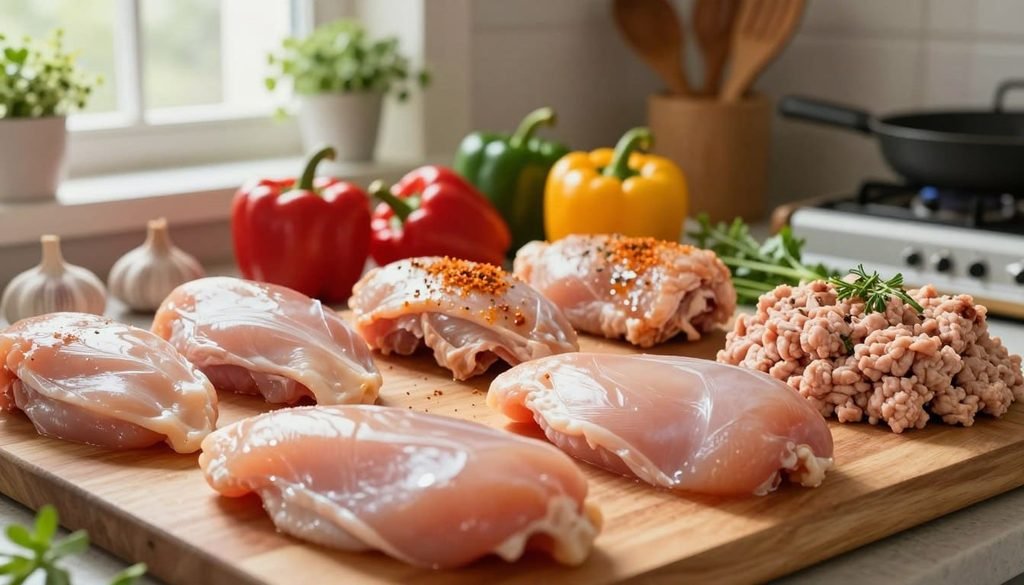
Chicken thighs have a richer texture and handle braising or slow cooking well. Ground chicken is easy to shape for meatballs, burgers, and lettuce wraps, but it benefits from thoughtful seasoning.
Rotisserie chicken can be shredded into soups, salads, and tacos, then added late when reheating. A whole chicken can supply a roast dinner and portions for later meals. Once you choose a cut, sauce and seasoning give it a distinct flavor.
How Can Sauce and Seasoning Make Chicken Taste Different?
The same chicken can taste bright, creamy, smoky, or spicy depending on its sauce. A small flavor shift can make a familiar meal feel new without changing its main ingredient.
Balance rich flavors with acidity, heat with cooling ingredients, and savory notes with fresh herbs. Lemon, lime, yogurt, and herbs each bring a different kind of contrast.
| Seasoning or sauce | Flavor | Pairs with | Finishing touch |
| Lemon and garlic | Bright and tangy | Chicken and asparagus | Finish with herbs |
| Ginger and peanut | Savory and nutty | Rice bowls | Add lime for brightness |
| Coconut and lemongrass | Creamy and aromatic | Chicken and rice | Add fresh herbs |
| Chipotle and lime | Smoky and sharp | Tacos or a skillet | Balance with a cool topping |
| Butter and cream with tomato and spices | Rich and gently spiced | Meatballs | Serve with a simple grain |
Bright, tangy flavors
Lemon and garlic bring a lively edge to chicken, while herbs add freshness at the end. Ginger and peanut lean savory and nutty, with lime brightening the mixture.
Coconut and lemongrass create a creamy, aromatic taste that works with chicken and rice. Fresh herbs help lift the sauce, especially when the meal includes several rich ingredients.
Creamy, spicy, and savory flavors
Chipotle gives chicken a smoky flavor, and lime adds sharpness. If the heat is strong, a cool topping can soften the experience without changing the main pan of food.
Butter and cream with tomato and spices bring richness and gentle warmth. A simple grain can absorb the sauce, while herbs add a fresher final note. Once you settle on a flavor direction, choose a straightforward side that makes the meal feel complete.
What Sides Go Well With Chicken Dinners?
A rich or spicy chicken main often benefits from a simple, contrasting side. Choose an easy match that brings freshness, softness, or crunch without creating extra work.
Do not duplicate a side that the bowl or skillet already includes. If rice, potatoes, or vegetables are built into the main, add only what improves the meal.
| Chicken dinner | Side | What it adds | Why it fits |
| Lemon chicken with asparagus | Rice | Fresh herbs | Bright and light meal |
| Chicken pot pie | Green salad | Crisp texture | Balances creamy filling |
| Red curry chicken | Steamed rice | Plain base | Suits a spicy sauce |
| Grilled or smoky chicken | Potatoes | Hearty and filling | Good for a family meal |
| Chicken tortilla soup | Avocado and greens | Fresh toppings | Add at serving |
Rice can soften the impact of a spicy sauce, while a crisp green salad gives creamy pot pie a fresher contrast. Potatoes make grilled or smoky chicken feel especially hearty.
For soup, avocado and greens are easy to add at the table. A bowl of beans or extra vegetables can also work when they suit the main meal, but there is no need to pile on sides.
Keep the amount of cooking manageable. If the main already has rice and vegetables, serve it as is or add one fresh topping. A little prep ahead can make even a simple side easier on a busy day.
How Can You Prep Chicken Dinners Ahead of Time?
Chopping vegetables and measuring seasonings before the evening rush can save time when dinner starts. Simple prep makes the busy part of cooking feel more manageable.
Keep raw chicken separate from ready-to-eat ingredients. Prepare produce, grains, and sauces in their own clean containers so they are ready without touching raw chicken or its juices.
Prep ingredients before the busy evening
Wash and chop produce, measure dry seasonings, prepare a sauce, and cook a grain ahead. These steps shorten the work at dinner time without locking you into a single meal.
A marinade can also be prepared ahead, but acidic ingredients can change the chicken’s surface texture if it sits in them too long. Keep the marinade and raw chicken separate until you are ready to use them.
Keep components flexible until serving
Store components separately when texture matters. Rice, chicken, vegetables, dressing, and crunchy toppings each keep their own character better when you assemble them close to serving.
Finish crisp toppings and fresh herbs just before dinner. That helps nuts stay crunchy and herbs keep their fresh appearance instead of softening in warm sauce.
Flexible prep lets you decide whether the ingredients become a bowl, salad, or skillet meal later. Keep raw chicken away from ingredients that will be eaten as they are, then cook it as directed.
Make-ahead work is useful only when the ingredients stay safe as well as ready. The next step is knowing the key temperatures and storage habits for chicken.
How Do You Cook and Store Chicken Safely?
A food thermometer, not appearance alone, is the dependable way to check chicken doneness. Color can mislead, so measure the thickest part of the meat.
Cook poultry to an internal temperature of 165°F. Place the thermometer in the thickest part without touching bone, which can give you a misleading reading.Keep raw chicken and its juices separate from cooked food and produce. Wash hands, utensils, and surfaces after raw chicken touches them, and do not reuse a plate that held it without washing.
Refrigerate raw chicken within 1-2 days. Refrigerate perishable food within 2 hours, or within 1 hour when the temperature is above 90°F.
Put cooked leftovers into shallow containers and chill them promptly. Use refrigerated cooked chicken leftovers within 3-4 days, and keep containers covered to protect the food from spills and other odors.
Reheat leftovers until steaming hot throughout. Stir soups or saucy dishes so the heat spreads evenly, and check a thick portion rather than judging by a warm surface.
A quick thermometer check is more dependable than cutting into the meat and looking for a particular color. The probe should reach the center of the thickest area, away from bone.
Good storage habits make planned leftovers easier to use later. Once chicken is handled safely, you can make the most of what you buy and cook.
How Can You Stretch Chicken Across More Meals?
Roast enough chicken for dinner, then set aside plain portions for a later meal. Planning ahead can give one chicken more than one role without promising a set grocery cost.
Reserve some chicken before adding a strongly flavored sauce. Plain pieces are easier to turn into a different meal than meat already coated in a flavor that may not suit the next dish.
Make one roast work beyond dinner
A roast or whole chicken can anchor dinner, with extra portions kept for another meal. Decide before serving which plain pieces you want to save, rather than hoping a useful amount remains afterward.
Keep the later meal in mind when you plan the first one. A simple roast portion can move into soup, while a sauce-heavy serving may be harder to repurpose in a different direction.
Reuse leftovers without repeating the same plate
Turn leftover chicken into a taco bar, Buffalo chicken dip, or soup. Changing the format helps the second meal feel distinct, even though it starts with the same cooked chicken.
For tacos, set out a new base and toppings. For soup, add broth and vegetables; for dip, change the texture and serve it with something crisp.
Set aside plain chicken before adding a strong sauce, then choose a different base or toppings later. That small step gives you more room to adapt the leftovers to the household.
A second meal does not need to look like a smaller portion of the first. A simple five-night sequence can put these ideas in an easy order.
What Could a Five-Night Chicken Dinner Plan Look Like?
Try a Monday-to-Friday sequence that starts with quick chicken tacos and saves the coziest meal for a night with more time. A flexible plan can make dinner choices easier without fixing your schedule.
This is a sample order, not a required schedule or a claim about exact shopping quantities. Shift meals around to match your week, appetite, and available ingredients.
Monday can be quick chicken tacos, followed by a one-pan lemon chicken dinner on Tuesday. Choose a chicken and rice bowl for Wednesday, then use a salad-style chicken meal for Thursday.
Save chicken pot pie or soup for Friday, when a warmer, slower dinner sounds good. If that night becomes busy, swap in a quicker option and move the cozy meal elsewhere.
One prep session can cover chopped vegetables or a cooked grain for several dinners. Keep those components flexible so they can fit a bowl, salad, or skillet rather than committing every ingredient to one recipe.
If a portion of chicken remains, give it a new base or format instead of repeating the same plate. A leftover can become a filling for tacos or a component in soup.
Choose the order that suits your household and adjust as the week unfolds. Before choosing the first dinner, make one small adjustment for the people who will eat it.
How Can You Adapt These Meals for Different Tastes?
At one dinner table, one person may want extra heat while another prefers a mild plate. Separate finishing touches can help both enjoy the same chicken meal.
Keep spicy sauces and crunchy toppings on the side when preferences differ. Diners can add what they like without changing the main dish for everyone.
Keep heat and crunchy toppings separate, and let each diner finish a portion to taste.
Offer yogurt or avocado to cool a spicy serving, and keep crisp toppings away from warm sauce until people are ready to eat. Tacos and bowls are easy to assemble at the table.
Swap a grain or vegetable for another available option when it suits the recipe. A different base may need a different amount of sauce, and a new vegetable may cook at a different pace.
Substitutions can change texture, cooking time, or seasoning balance. Check the recipe method before swapping ingredients, rather than assuming every replacement works the same way.
Choose one adaptable recipe and make the first small change that suits your household. A mild base with optional heat is often an easy place to start.
Conclusion
A satisfying weeknight chicken dinner does not need to be complicated. Match the cooking method to the evening, then keep flavors or toppings flexible for the people at your table.
Choose one recipe that fits tonight’s time and energy, then check the ingredients before you start.
FAQ
Can I cook chicken straight from frozen in a slow cooker?
No, thaw chicken before putting it in a slow cooker. A slow cooker heats gradually, so frozen chicken can spend too long at an unsafe temperature before it cooks through. Thaw it in the refrigerator, then follow the recipe’s directions. Avoid using a slow cooker as a way to thaw or quickly cook frozen poultry.
How do I keep chicken breast from drying out?
Use a food thermometer, remove the breast from the heat at 165°F, and avoid cooking lean meat after it is done. Chicken breast has little fat, so extra time on the heat can dry it out. Check the thickest part, and remember that carryover cooking can briefly raise its temperature after removal.
Can I swap chicken thighs for chicken breasts in a recipe?
Usually, yes, but the pieces can differ in thickness and cooking time. Chicken thighs are richer and often suit longer cooking, while breast is leaner. Check the thickest part with a food thermometer rather than relying only on the recipe’s original timing. Also consider whether the texture of the finished dish will suit the swap.
Should I rinse raw chicken before cooking it?
No, rinsing raw chicken can spread its juices around the sink and nearby surfaces. Cooking chicken to 165°F addresses food safety without washing it first. Keep raw chicken and its juices away from ready-to-eat food, then clean any surfaces or utensils that touched them before using those items again.
How can I make a chicken dinner less spicy without changing the whole recipe?
Serve hot sauce or chili toppings separately, then add them to individual portions as wanted. Cooling ingredients such as yogurt or avocado can soften the heat in a serving. You can also keep a portion of the chicken plain before adding a spicy sauce, giving diners a milder option without changing the whole meal.
What can I use instead of rice in a chicken bowl?
Try quinoa or another cooked grain, or use extra vegetables as the base. The new ingredient may change the bowl’s texture and how much sauce it needs, so add sauce gradually. Keep the chicken and toppings separate until serving if you want crisp ingredients to stay crunchy and the grain to hold its texture.