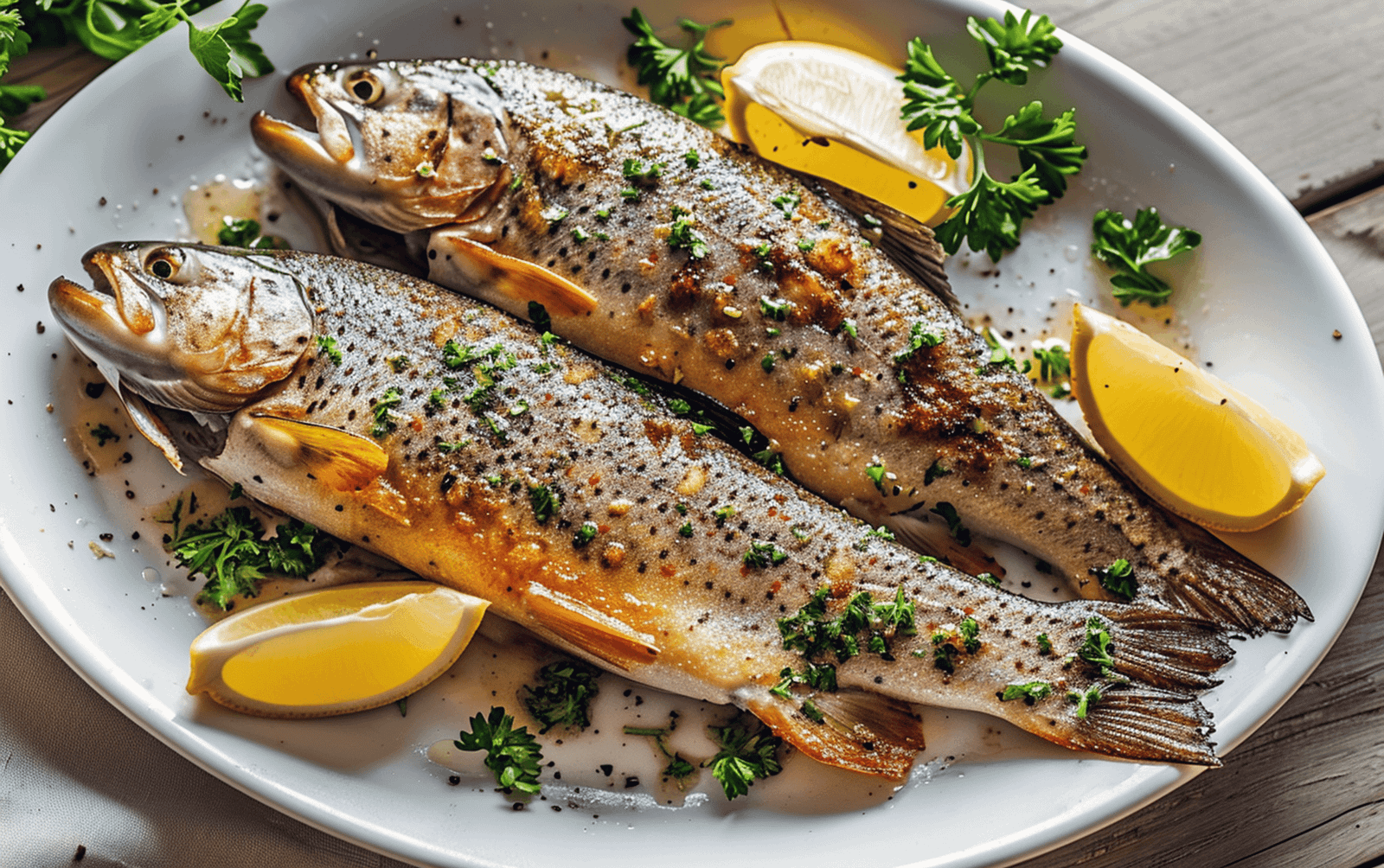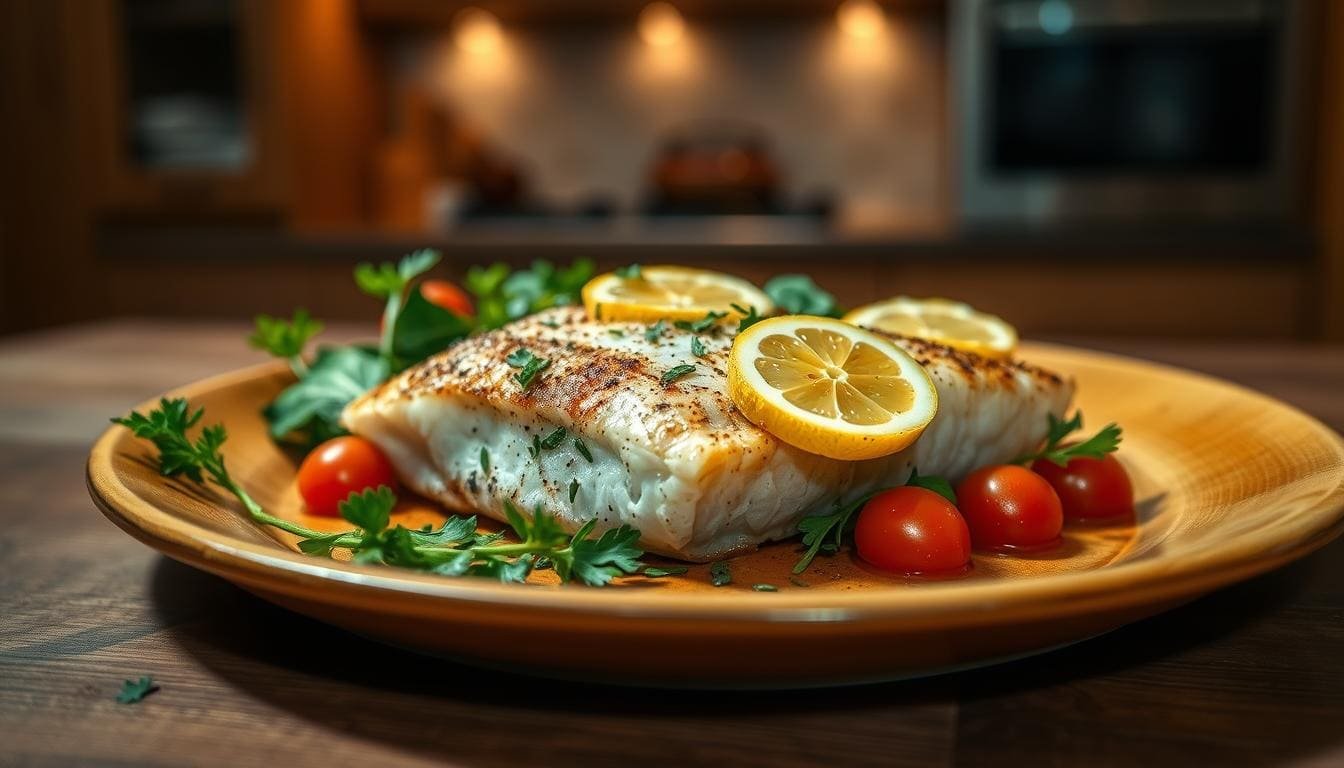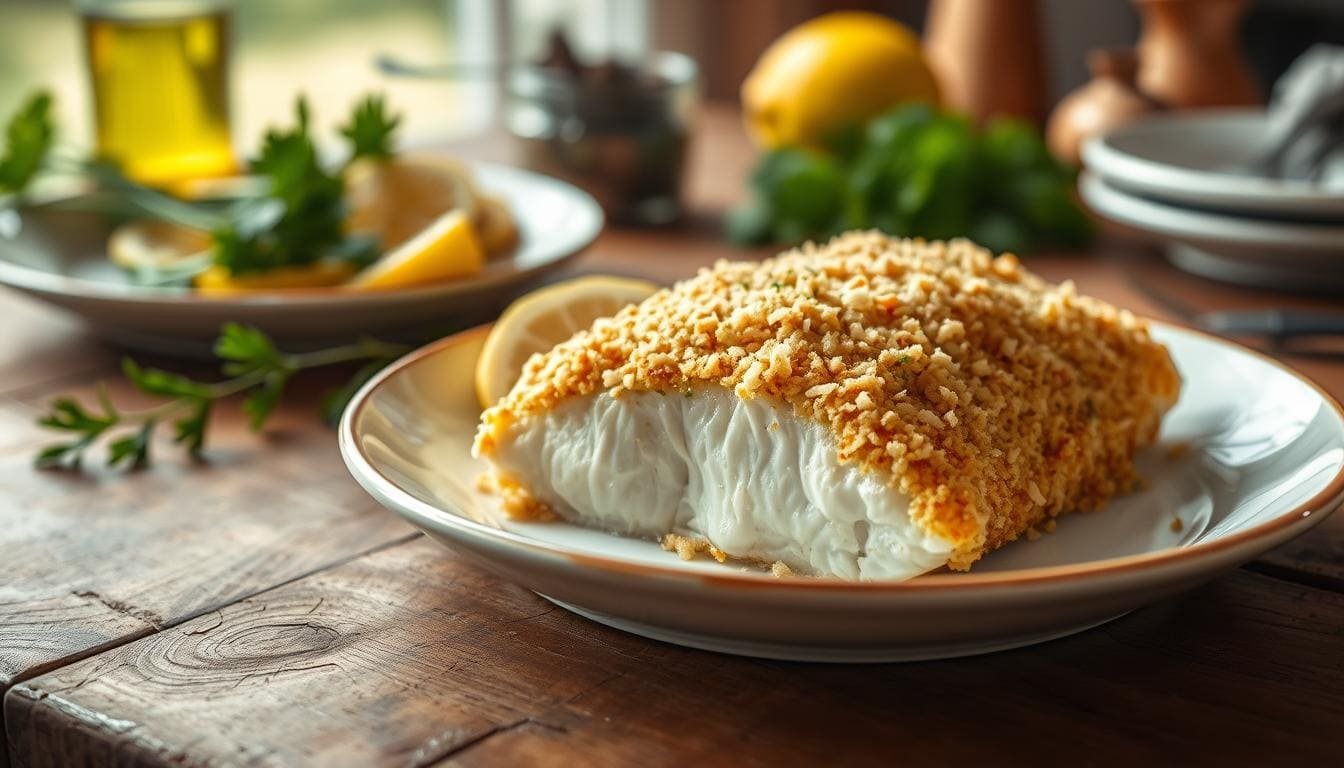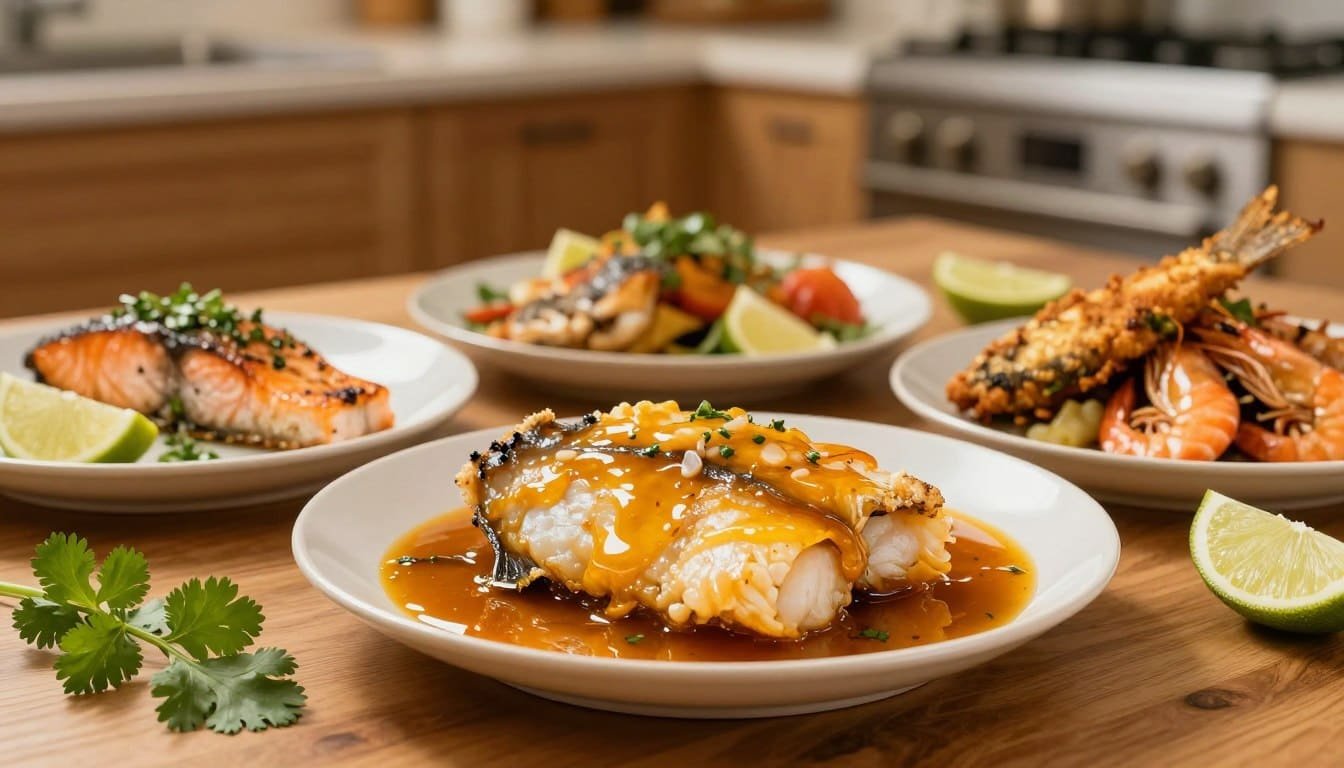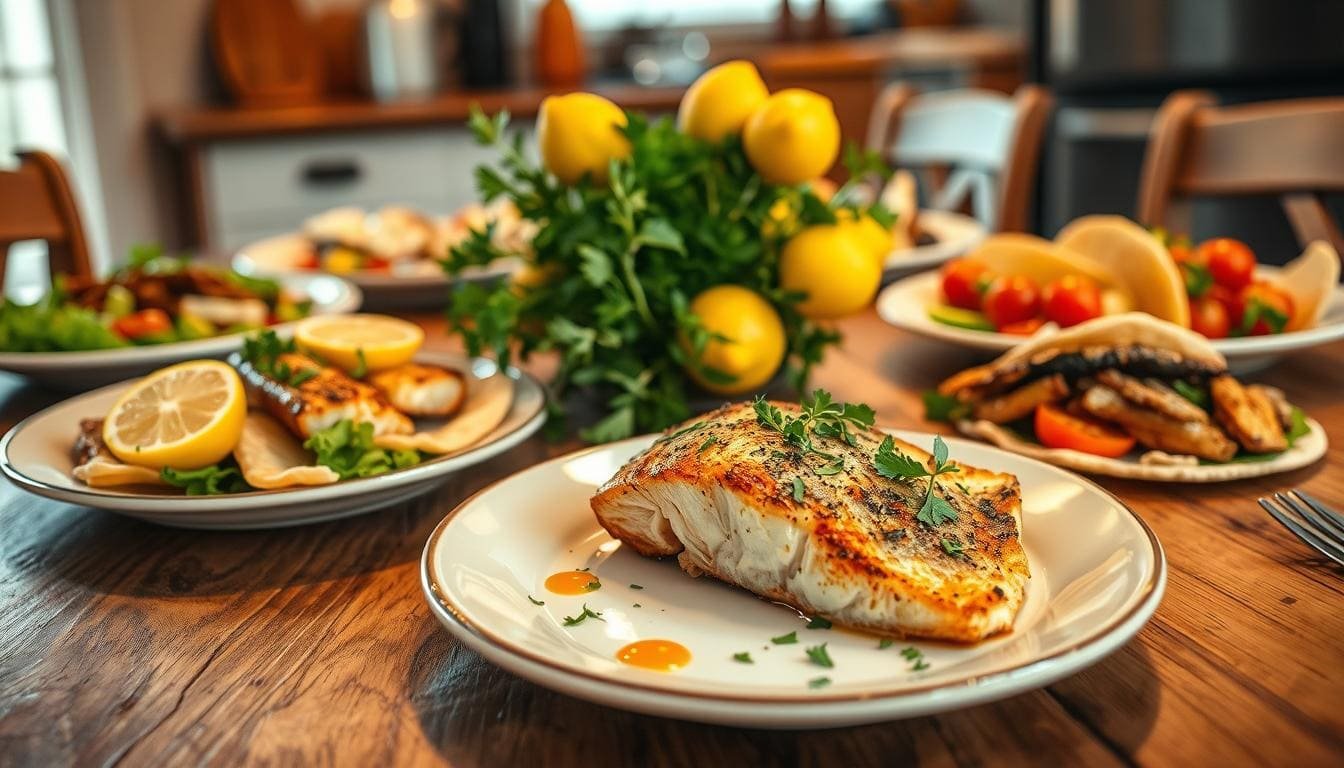
Fish brings protein, vitamins, and omega-3 fatty acids to the table, and it can suit a crisp craving or a cozy one. You can grill, bake, sauté, or simmer it, so the kitchen needn’t fall into a same-dinner rut. A practical trick: prepare your sides first, then cook the fish while they wait. Fish kofta are seasoned fish dumplings that are gently poached in sauce. 15 Recipes Fish Fans
These ideas cover crunchy favorites, rich sauces, bright herbs, and bold seafood flavors. Pick a light dinner or something more comforting, then let tonight’s appetite call the shots.
Key Takeaways
15 Recipes Fish Fans
- Most fish dinners can be ready in about 20 minutes.
- Fish works with grilling, baking, sautéing, and simmering.
- Get your sides ready before quickly cooking the fish.
- Choose a fillet that suits the recipe’s texture and method.
- Use a food thermometer and cook fish to 145°F.
Which Recipes Fish Fans Will Love Tonight
Crisp, familiar formats are a good place to start when the table wants a satisfying fish dinner. Crunch brings comfort, and firm or lean white fish holds up best in a fried coating.
These fish recipes use a sturdy fillet and pair easily with simple sides. Delicate fillets may break apart or lose their shape in a fried coating, so save them for gentler methods.
For fried fish, choose a firm or lean white fillet; delicate pieces may not hold their shape in the coating.
Try one of these three dinner staples:
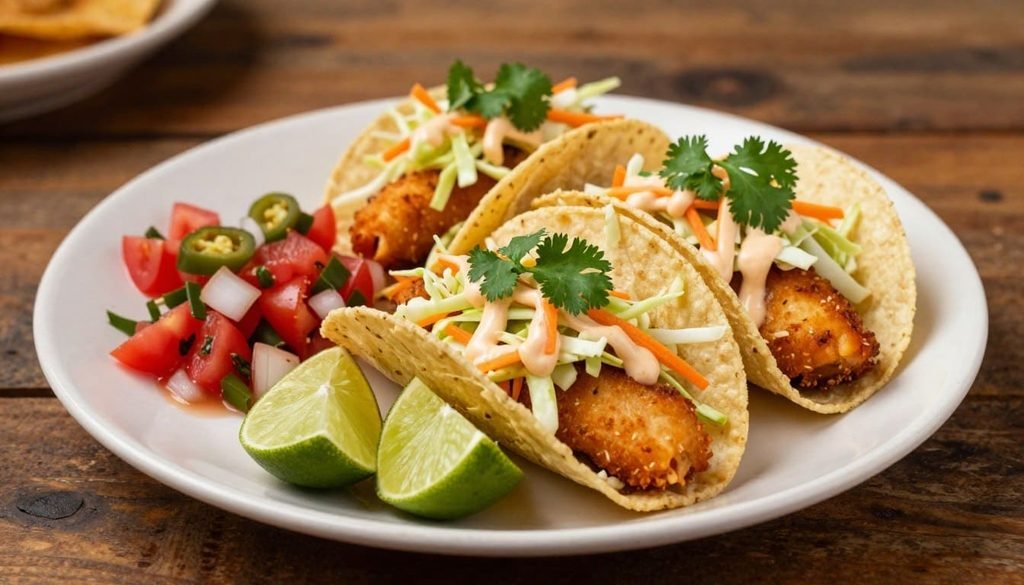
- Baja-style fish tacos wrap lightly battered, fried firm white fish in tortillas. Add slaw and a bright salsa for a fresh contrast to the crunchy coating.
- Fish and chips suit firm fish such as halibut or cod. Serve the crisp fillet with chips and a tangy condiment for a classic plate.
- A fried fish sandwich calls for lean, firm white fish under a crunchy crust. Tuck it into a bun with lettuce and a creamy sauce.
Each recipe gives you that satisfying crisp edge without asking dinner to become a project. The coating is part of the appeal, but it works best when the fish underneath can take the heat and handling.
If your appetite leans toward a familiar sandwich or a plate of chips, these options answer the call. For a different flavor and prep schedule, turn to salmon dinners, where planning ahead can change the result.Which Salmon Recipe Fits Your Schedule
One salmon option rewards planning ahead, while another suits a same-night dinner. Choose by schedule: Turkish-style marinated salmon needs an overnight rest, while baked lemon garlic salmon is ready in under 20 minutes.
The three preparations below vary in flavor and advance work, but each starts with salmon. Have the sides ready before salmon comes out of the oven, since the fish cooks quickly and is best served without a long wait.
| Recipe | Fish | Defining preparation or flavor | Serving idea |
| Stuffed salmon | Salmon | Spinach, capers, preserved lemon, and Greek-yogurt filling | Lemony Greek potatoes or Middle Eastern rice pilaf |
| Baked lemon garlic salmon | Salmon | Lemon and olive oil | Cooked pasta, Greek lemon rice, or lentil salad |
| Turkish-style marinated salmon | Salmon | Turkish red pepper paste marinade | Mediterranean cucumber salad |
Plan-Ahead Salmon for Deeper Flavor
Turkish-style marinated salmon is the choice when you can prep the night before. Turkish red pepper paste gives the marinade its defining flavor, and the overnight rest gives the fish time to take it on.
Stuffed salmon also brings several flavors together in one dish. Spinach, capers, preserved lemon, and Greek yogurt make a tangy filling, with potatoes or rice pilaf ready to round out dinner.
Fast Salmon, Sides Ready First
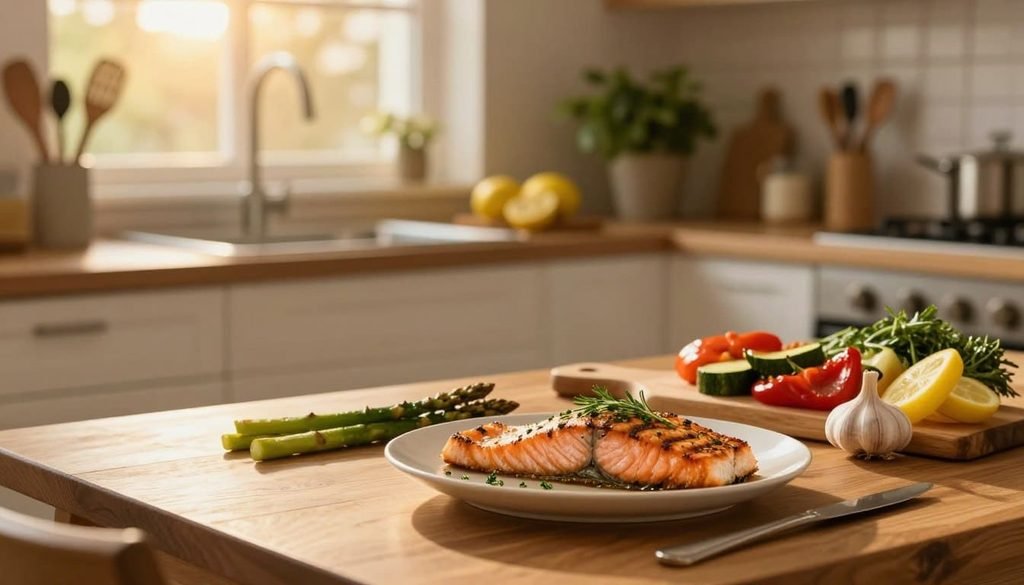
Baked lemon garlic salmon is a quick route to dinner, cooking in under 20 minutes. Lemon and olive oil keep the flavor direct, while pasta, Greek lemon rice, or lentil salad makes the plate more substantial.
15 Recipes Fish Fans
Prepare those sides before the salmon goes into the oven. Once it comes out, you can serve dinner while the fish is tender, rather than watching it cool as the rice catches up.
Salmon’s rich flavor can make dinner feel special, with or without an overnight marinade. For a cozier mood, look to warm sauce, braising, or a comforting base.
What Cozy Fish Dinners Make a Satisfying Meal
Spoon a warm, savory sauce over rice or drag a piece of crusty bread through it, and dinner feels instantly cozier. Sauce makes the difference, and these fish recipes bring warmth without turning the meal into a complicated production.
Pick a skillet supper, a slow oven braise, or seasoned fish dumplings. Fish kofta are seasoned fish dumplings that are gently poached in sauce, a tender, saucy alternative to a whole fillet.
Three comforting routes bring different textures and flavors:
- One-skillet fish Provençal takes 30 minutes and keeps cleanup to one pan. Briny olives give the dish a savory kick, so spoon the sauce over bread or rice.
- Greek fish with tomatoes and onions starts with a tomato and onion sauce made on the stovetop. The fish then braises in that sauce in the oven, picking up its rich flavor.
- Moroccan fish kofta simmer gently in spicy harissa-tomato sauce. Serve the dumplings with rice or couscous to catch every bit of sauce.
The skillet dish suits a night when you want a saucy dinner without a pile of pans. The Greek braise takes a little stovetop attention first, then the oven does the rest.
Kofta, on the other hand, changes the shape and feel of dinner. Its texture and presentation differ from a whole fillet, so it may not satisfy you if you’re craving a classic plated piece of fish.
Choose the style that fits your appetite, from olive-studded sauce to harissa’s warm heat. For a brighter plate, shift toward white fish with citrus and herbs.
Which White Fish Recipes Keep Dinner Light
Lemon, herbs, and a mild white-fish fillet make a good match for a lighter dinner. Bright seasoning keeps the flavors lively, while the recipe’s texture and cut still matter when you swap fish.
These three fish recipes bring citrus, herbs, or Mediterranean vegetables to the plate. Their side ideas can make a simple fillet feel like a complete meal, without burying its mild flavor.
| Recipe | Fish | Defining seasonings or additions | Serving idea |
| Baked cod with lemon and garlic | Cod or another flaky white fish | Lemon and garlic | Broccoli, oven fries, or fattoush |
| Mediterranean-style baked white fish | White-fish fillet | Oregano, garlic, tomatoes, olives, and red onion | Lemon rice, Greek salad, or Mediterranean couscous salad |
| Baked halibut with lemon and dill | Halibut | Sumac, lemon, and dill | Green bean salad or fennel-orange salad |
When a Recipe Can Handle a Fish Swap
Baked cod with lemon and garlic can also use flaky white fish such as red snapper or halibut. That gives you room to adapt when the seafood counter has another suitable option.
Still, swapping is not a free pass to ignore what the recipe needs. A recipe built for a flaky fillet may not suit a dense cut, and a firm piece may cook differently from a delicate one.
Make a Light Plate Feel Complete
Balance a light fish dinner with something that adds substance, color, or crunch. A warm grain, crisp vegetables, or a fresh salad can help the fillet feel like the centerpiece, not a small guest at its own meal.
Keep the sides simple enough that the fish remains the focus. A light plate can still be filling when it brings together a satisfying base and a fresh element.
These restrained flavors suit a quiet dinner mood. If you want more punch than lemon and herbs, move toward global seasonings or tuna.
What Bold Flavors Can Take Fish Beyond Lemon
Lemon seasoning is familiar; curry, cilantro, or a bold tuna pairing takes dinner somewhere else. Go bolder with these seafood options, and match the fish’s firmness to the preparation.
Three flavor routes bring heat, herbs, or a grilled centerpiece. The right texture matters especially when a dish has a strong sauce or high heat.
Try one of these options:
- Thai green fish curry pairs firm fish with a fragrant, boldly seasoned curry. Choose a piece sturdy enough to hold together in the sauce.
- Vietnamese fish with cilantro brings fresh herb flavor to firm white fish. The source recipe allows flexibility with other firm white fish, so the dish need not depend on one species.
- Sicilian-style grilled tuna steaks make a hearty centerpiece beside a simple salad. The recipe can also use other firm fish, making it adaptable beyond tuna.
Firm fish is a useful partner for curry and grilling, where the preparation can be more demanding. Vietnamese fish with cilantro offers a different route, with fresh herbs bringing lift to the plate.
A strongly seasoned sauce can overwhelm delicate fish, so choose by firmness and cooking method, not the name alone. A fragile fillet may break up or disappear beneath assertive flavors.
That doesn’t mean every bold dinner needs a complicated plan. Let the seasoning set the mood, then use the recipe’s shape and texture needs to guide your choice.
Strong sauces need a fish that can stand up to them; match the fillet’s firmness to the cooking method.
With these options, you can take dinner well beyond a lemon wedge. The next step is matching the fish to the recipe and cooking it confidently.
How Do You Choose and Cook Fish Confidently
If a recipe calls for thick, firm cubes, choose fish that can keep their shape; a delicate fillet needs gentler handling. Match the cut to the method, because the package name alone won’t tell you how the fish will cook.
A recipe is a useful guide to the texture and cooking method you need, while many fish species can substitute for one another. Cook fish to an internal temperature of 145°F, checking with a food thermometer.
Choose fish for the recipe’s shape and texture, then use a food thermometer to confirm 145°F.
Firm fish suits cubing or a robust sauce because it holds together through stirring and simmering. A delicate fillet benefits from careful handling and a gentler cooking method.
A species swap may fail when a recipe relies on thick, firm cubes or a delicate fillet’s quick cooking. The cut and texture can matter as much as the type of fish you bring home.
Use a thermometer rather than guessing from the surface or the clock. Check the thickest part, and make sure it reaches 145°F before serving.
Pick the recipe that fits tonight’s appetite, then choose a fish with the right shape and feel. A simple final check can turn that choice into a confident meal.
Conclusion
Choose the dinner that sounds best tonight. Fish can fit a range of flavors and moods, from a quick, bright plate to a cozy bowl with sauce.
Pick one recipe, check that its fish and texture fit the dish, and get the side ready before cooking. Gather the ingredients, then start with the side dish.
FAQ
Can I bake fish straight from frozen?
Yes, many fillets can be cooked from frozen, but they need extra cooking time. Check the thickest part with a food thermometer and make sure it reaches 145°F. Frozen fish may release more moisture as it cooks, so the surface can turn out less crisp. Follow the package directions when available, since they account for that product’s size and preparation.
How much seafood should an adult eat each week?
About 8 ounces of seafood per week is a general adult guideline, with lower-mercury options a good choice. You can divide that amount across meals rather than serving it all at once. Variety helps keep the weekly menu flexible, so rotate types of seafood and use the specific preparation that suits your dinner plan.
How long can raw fish stay in the refrigerator before cooking?
Use raw fish within 1-2 days when it is refrigerated at 40°F or below. Keep it cold until you are ready to cook, and avoid leaving it on the counter while preparing other ingredients. If the fish has been stored longer than that, do not rely on smell alone to judge whether it is safe.
How do I keep fish from sticking to a pan?
Pat the fish dry, preheat the pan, add oil, and wait until the fish releases before turning it. Moisture on the surface can make the fish stick, while a pan that is not hot enough may not form a clean sear. Use a thin spatula and avoid forcing the fillet if it still clings.
Can I reheat leftover cooked fish?
Yes, refrigerate cooked fish promptly, use it within 3-4 days, and reheat it to 165°F. Store leftovers in a covered container so they cool and stay protected. Reheating can dry fish out, so use gentle heat and check the center with a food thermometer before serving.